The 7-Step Emergency Response List
Run these steps in order. Do not skip.
- Kill the power to the basement at the breaker before stepping into standing water.
- Confirm the failure. Lift the float manually. If the motor hums but no water moves, the impeller or check valve is the issue.
- Find the water source. Groundwater through the pit is different from a foundation crack or sewer backup.
- Document everything. Photos and video timestamped before cleanup starts protect your insurance claim.
- Move valuables up. Get cardboard boxes, electronics, and photos at least 24 inches off the floor.
- Start water removal. A wet/dry vac handles under 1 inch. Anything more needs a truck-mounted extractor.
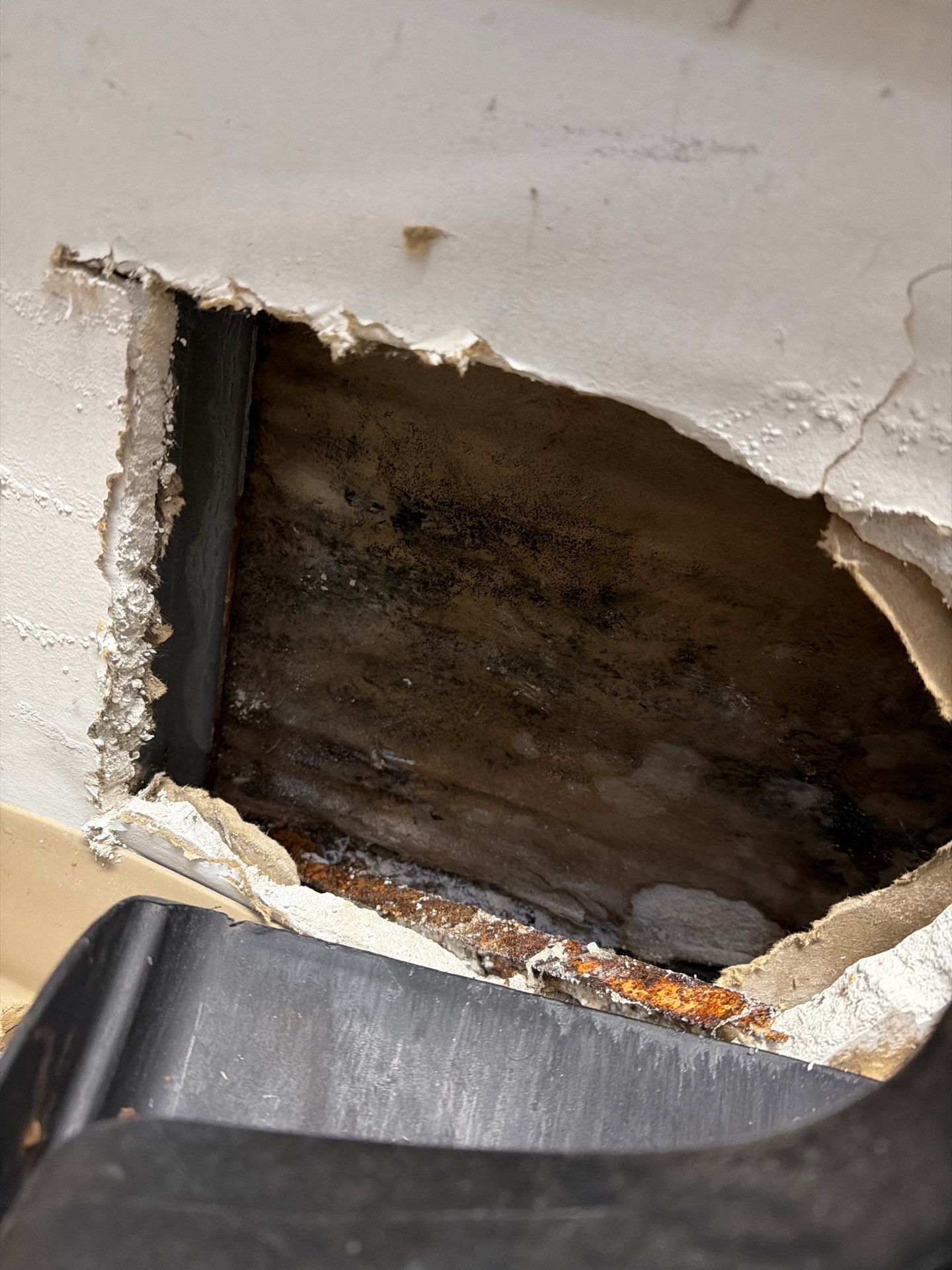
- Call a restoration pro if water exceeds 2 inches, has been sitting more than 6 hours, or touches drywall and insulation.
Why Sump Pumps Fail in Trader's Point
Failure is rarely random. Here are the causes we see most often:
- Power outage during storms: the same downpour that overwhelms your pit also knocks out the grid.
- Stuck float switch: debris, mineral buildup, or a tethered cord wedged against the pit wall.
- Burned out motor: average residential pumps last 7 to 10 years. If yours is older, you are on borrowed time.
- Frozen or blocked discharge line: a winter freeze or a downspout dumping mulch into the pipe.
- Undersized pump: a 1/3 HP unit cannot keep up with a heavy water table.
- No battery backup: 60 to 70 percent of basement floods we respond to had no secondary system.
- Clogged inlet screen: silt, pea gravel, and iron ochre slowly choke the intake until flow drops below the inflow rate.
- Wrong switch type: vertical floats fail less often than tethered ones in narrow pits under 18 inches wide.
DIY vs Professional Response
Handle it yourself if:
- Standing water is under 1 inch and confined to bare concrete.
- The pump is back online and the pit is draining.
- No drywall, baseboards, carpet pad, or stored cardboard got wet.
- You have a wet/dry vac and at least one dehumidifier rated above 70 pints per day.
Call a pro if any of these are true:
- Water touched finished walls, carpet, or HVAC ductwork.
- The basement smells musty or sewage-like already.
- Water has been standing more than 6 hours.
- You have asthma, infants, or immunocompromised family members upstairs.
- You suspect Category 2 or 3 contamination from a backed up floor drain.
For mixed-source events that involve sewer backup, the cleanup protocol is different. Review our sewage cleanup service page before you touch anything in the pit area.
Prevention: Stop the Next Flood Before It Starts
Once your basement is dry, lock in these upgrades:
- Install a battery backup pump rated for 10 to 12 hours of continuous run.
- Add a water alarm in the pit. Wi-Fi models text your phone for under $50.
- Replace the primary pump every 8 years, not when it dies.
- Extend downspouts at least 6 feet from the foundation.
- Have the discharge line jetted every 2 to 3 years.
- Test the pump quarterly by pouring 5 gallons of water into the pit.
- Seal foundation cracks with hydraulic cement or polyurethane injection.
- Upgrade to a cast iron pump body if you currently run a plastic housing.
- Install a check valve with a clear inspection window so you can see backflow at a glance.
If your basement has flooded twice, you do not have a pump problem, you have a system problem. Trader's Point Water Restoration can pair restoration work with a referral to a trusted Trader's Point waterproofing partner. For broader prevention strategy, our basement flooding service page walks through every layer of defense.
Seasonal Maintenance Checklist
Set calendar reminders. A 15 minute check four times a year prevents most failures:
- Spring: clear the discharge outlet of nesting debris and test under full load.
- Summer: clean the pit, inspect the float for free movement, wipe mineral scale.
- Fall: insulate the exposed discharge pipe and clear leaves from the exit point.
- Winter: confirm the backup battery holds charge and the alarm still triggers.
What to Tell Your Insurance Adjuster
Buyers in panic mode forget the language that gets claims approved. Use these phrases:
- "Sudden and accidental mechanical failure of the sump pump."
- "Water intrusion event began at approximately [time] on [date]."
- "IICRC certified mitigation company on site within [hours] to prevent secondary damage."
- "Requesting coverage under sump pump and water backup endorsement, if applicable."
- "Documenting all affected materials with moisture readings and photographs."
Most Trader's Point homeowners carry a separate water backup rider with limits between $5,000 and $25,000. Pull your declarations page before the adjuster calls. Trader's Point Water Restoration works directly with every major carrier and can send moisture maps and psychrometric logs that speed approval.
Have these documents ready when you file:
- Receipt or install date for the failed pump.
- Maintenance records for the past 3 years.
- Photos of the pit before and after extraction.
- An itemized inventory of damaged contents with original purchase values.
- The mitigation company's certificate of completion and drying log.
Timeline: What the Next 5 Days Look Like
- Hour 0 to 2: emergency extraction, content move-out, anti-microbial application.
- Day 1: air movers and dehumidifiers placed, moisture mapping baseline established.
- Day 2 to 3: daily moisture checks, selective demolition of unsalvageable materials.
- Day 4 to 5: final dry-down verified with meters reading within 2 to 4 percent of dry standard.
- Week 2: rebuild phase begins, insurance scope finalized, mold clearance if needed.
Warning Signs Your Pump Is About to Quit
Pumps almost never fail without a few quiet hints first. Watch for these in the weeks before a storm event:
- Cycling more often than every 2 to 3 minutes during light rain.
- Grinding, rattling, or high-pitched whining from the motor.
- Visible rust at the base or on the discharge fitting.
- Water level in the pit sitting higher than the previous baseline.
- Vibration loud enough to hear from the floor above.
- A circuit breaker that trips after each heavy rainfall.
- Musty odor near the pit even when the floor looks dry.
Any two of these together justify a same-week service call. Catching a tired pump before it dies is roughly one third the cost of a full flood response in Trader's Point.
What It Costs to Fix and Clean Up
Honest ranges based on jobs we run in Trader's Point and the surrounding region:
- Sump pump replacement (parts and labor): $400 to $900
- Battery backup system added: $300 to $700
- Water extraction only (under 500 sq ft): $500 to $1,500
- Full basement dry-out with equipment for 3 to 5 days: $1,800 to $4,500
- Drywall, insulation, and flooring tear-out: $1,200 to $6,000
- Mold remediation if delayed over 72 hours: $1,500 to $10,000+
- Content cleaning and pack-out: $800 to $3,500 depending on volume
For a deeper breakdown by category and square footage, read our flooded basement cleanup pricing guide. Insurance often covers sudden pump failure but not gradual seepage, so the timeline you document matters.