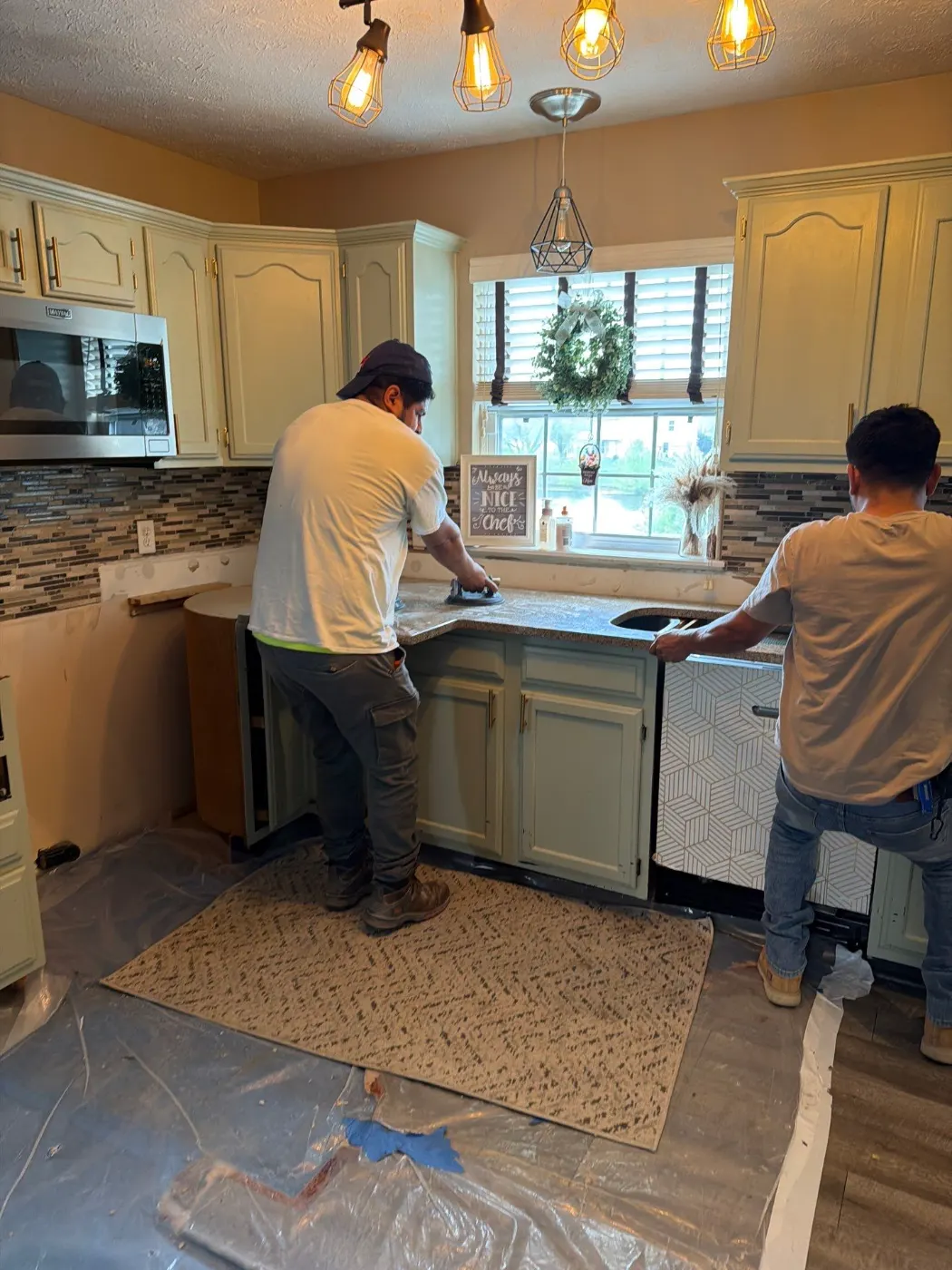
Basement Flooding in Trader's Point, IN
Basement water pumped out and the structure dried to a measured number before the finished space goes back.
Searching for Basement Flooding near Trader's Point? Trader's Point Water Restoration dispatches 24/7, documents everything, and works with your insurance carrier from first call to final walkthrough. Call (317) 342-7736.
- Service: Basement Flooding for Trader's Point homeowners
- Service area: Trader's Point, IN and surrounding areas
- Response time: Emergency calls from Trader's Point dispatched immediately, day or night
- Licensed and insured (License #RC21100059)
- Serving Trader's Point, IN since 2018
Basement Flooding Cleanup in Trader's Point
We handle basement flooding cleanup throughout Trader's Point, from standing water on the slab to drywall that's wicking it up.
Basements Here
Plenty of Trader's Point homes went up between the 1950s and the 1990s, and finished basements are common. Walkout basements are common too.
Where the Water Comes From
Homes near Eagle Creek face added flood risk after heavy rain. Many basements here depend on a sump pump to stay dry, so a pump that quits during a storm can flood the space fast.
Our crews work all over Trader's Point, from Walden Trace to the streets near Pike High School and Fishback Creek Public Academy. We also clean up flooded basements in Crooked Creek, Augusta/New Augusta, Eagle Creek and Zionsville.
Expert Basement Flooding for Trader's Point Homeowners
Water has been in your Trader's Point basement before, which changes what the drying plan has to account for. Material that's been wet once holds more moisture at the same conditions, old staining hides new staining, and a previous repair can trap water behind it. Trader's Point Water Restoration dispatches a crew within two hours, reads the whole perimeter, and documents the current loss separately from anything that happened in earlier years.
The IICRC S500 sorts a water loss into classes by how much water the materials took on and how fast it evaporates. Block walls and a saturated slab hold water deep inside, which pushes a basement toward the specialty drying end of that scale. Trader's Point Water Restoration plans the equipment and the days for your Trader's Point basement from the class the readings point to.
Expect the basement to run warm and loud while it dries in Trader's Point. Dehumidifiers give off heat and the air movers run around the clock. The crew spreads the equipment across several circuits so the breakers hold, and keeping the stairway door closed holds the dry air where it's needed. Trader's Point Water Restoration explains the setup before the crew leaves.
Trader's Point Water Restoration documents the drying and the rebuild as separate scopes, because they're different kinds of work. Extraction, removal, containment, equipment and monitoring sit on the mitigation side. Insulation, drywall, flooring, trim and paint sit on the rebuild side. Keeping them apart shows you exactly what you're paying for on each line, and you approve each scope in writing.
Shut off the water supply to the water heater or washer, then call Trader's Point Water Restoration at (317) 342-7736. If the breaker is reachable without stepping in water, switch off power to the appliance first. The crew documents the failure point and the wet area in your Trader's Point basement from the first walkthrough.
Signs You Need Basement Flooding Cleanup
If you notice any of these in your Trader's Point home, schedule a free inspection before the issue worsens.
Water welling up around a floor crack or the base of a steel support column
Paint blistering and peeling off the lower foundation wall of your Trader's Point basement in sheets
The sump discharge line frozen or plugged, with water puddling at the foundation where it exits
Wet window sill with a stain on the wall just below it in your Trader's Point basement
Steel support columns in your Trader's Point basement rusting at the base where they meet the slab
A crack in the slab or the wall that stays wet when everything around it has dried
Baseboard swollen and pulling off the wall, with paint lifting in the bottom few inches of drywall
A damp line along the seam where the basement floor meets the wall, darker after a long rain
Water dripping through the basement ceiling below the first floor laundry room or bathroom
Water beading out of a wall crack during a steady rain, then drying up when the rain stops
How Trader's Point Water Restoration Handles Basement Flooding
We follow these steps in order on every Trader's Point job.
Source Check
The crew finds where the water came from and photographs it before anything moves. Seepage through a foundation wall gets handled differently from a backup out of a sanitary line, and the source decides what protective gear the job needs and which materials come out.
Stopping the Inflow
Before your Trader's Point basement can dry, the water has to stop coming in. The crew shuts off a failed supply line or sets a temporary pump where groundwater is still rising, then photographs the entry point for the trade that makes the repair.
Water Extraction
Submersible pumps take the standing water off the slab, then weighted extraction tools pull what the carpet and pad are holding. Hard floors get squeegeed toward the low point, and water trapped behind baseboard comes out through controlled openings in the wall.
Moisture Mapping
Thermal imaging finds the temperature differences that mark wet material and penetrating meters confirm it with numbers. Readings get taken on drywall, framing, the bottom plate, the subfloor and the slab, and the wet area gets marked and measured room by room.
Controlled Removal
Drywall that wicked water gets cut at a measured height, wet batt insulation comes out of the bays and gets bagged, and carpet pad goes out. Material the meters show dry stays in place, and every removal gets photographed before it happens.
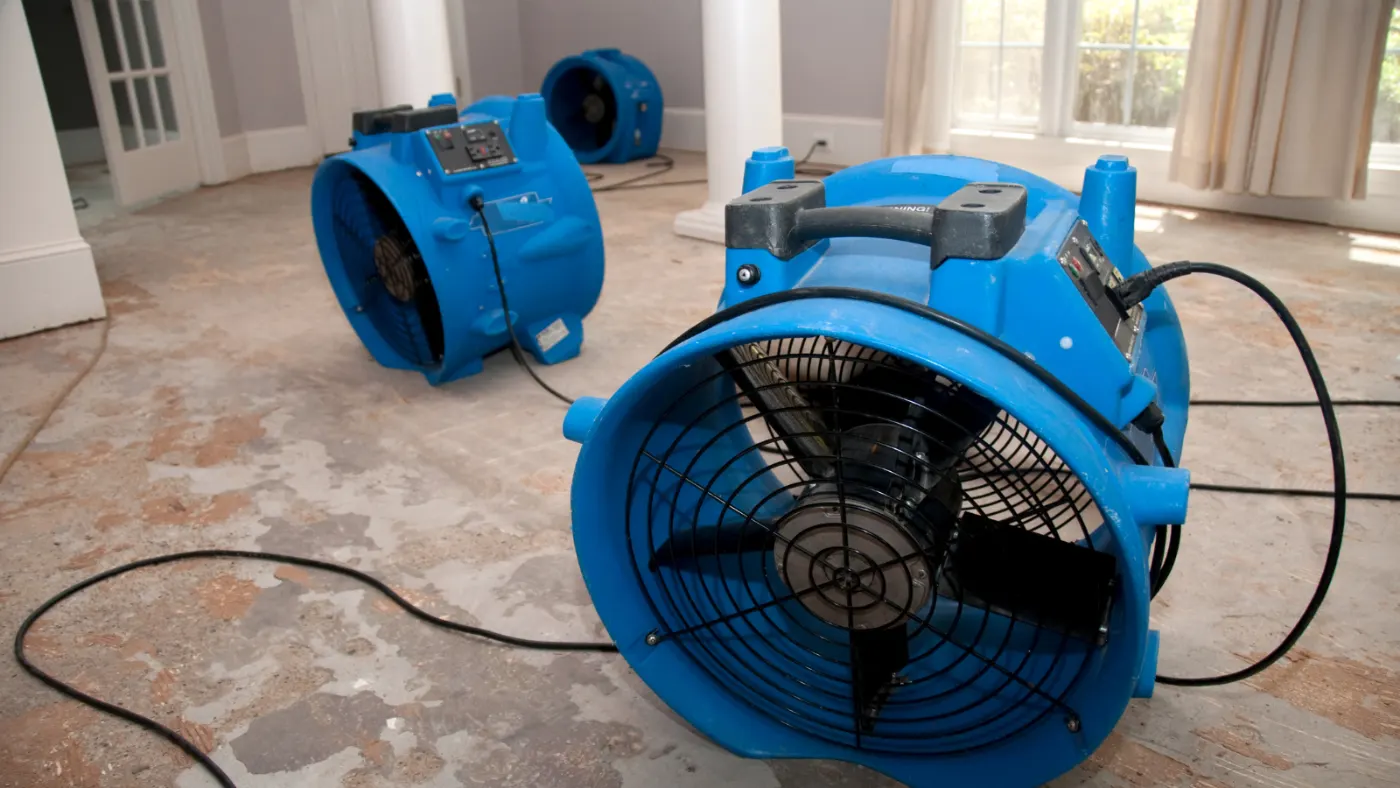
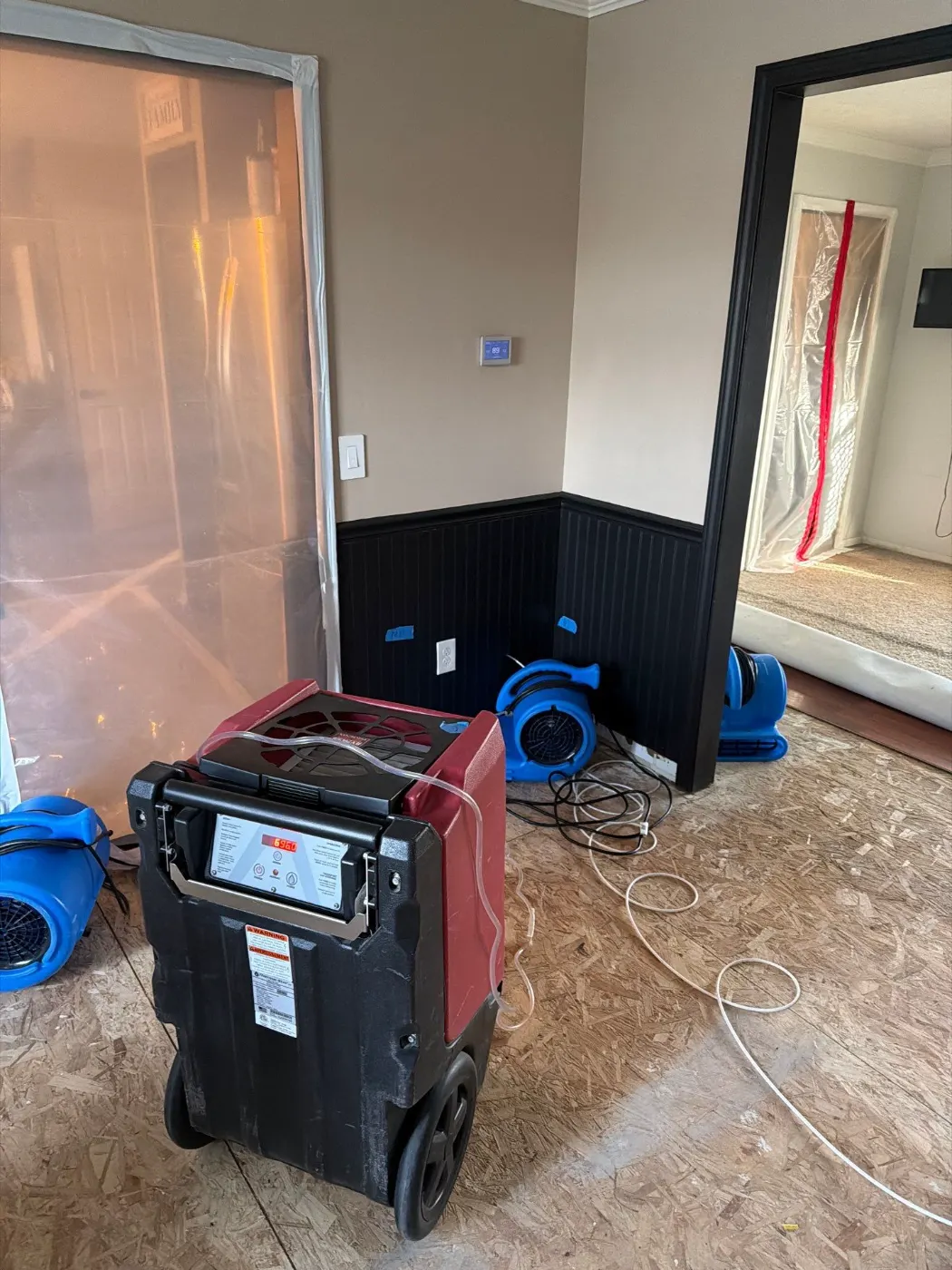
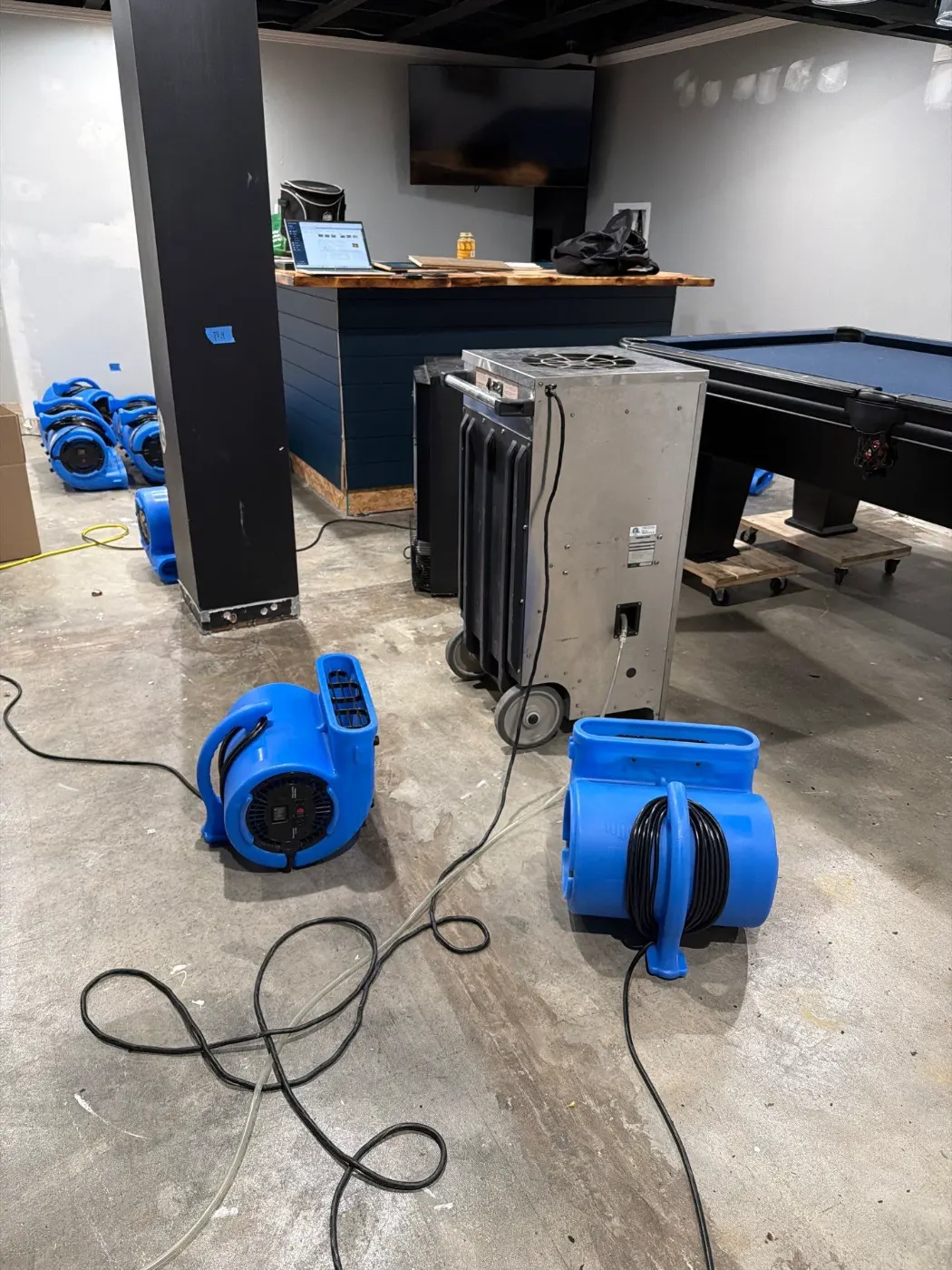
Basement Flooding in Trader's Point
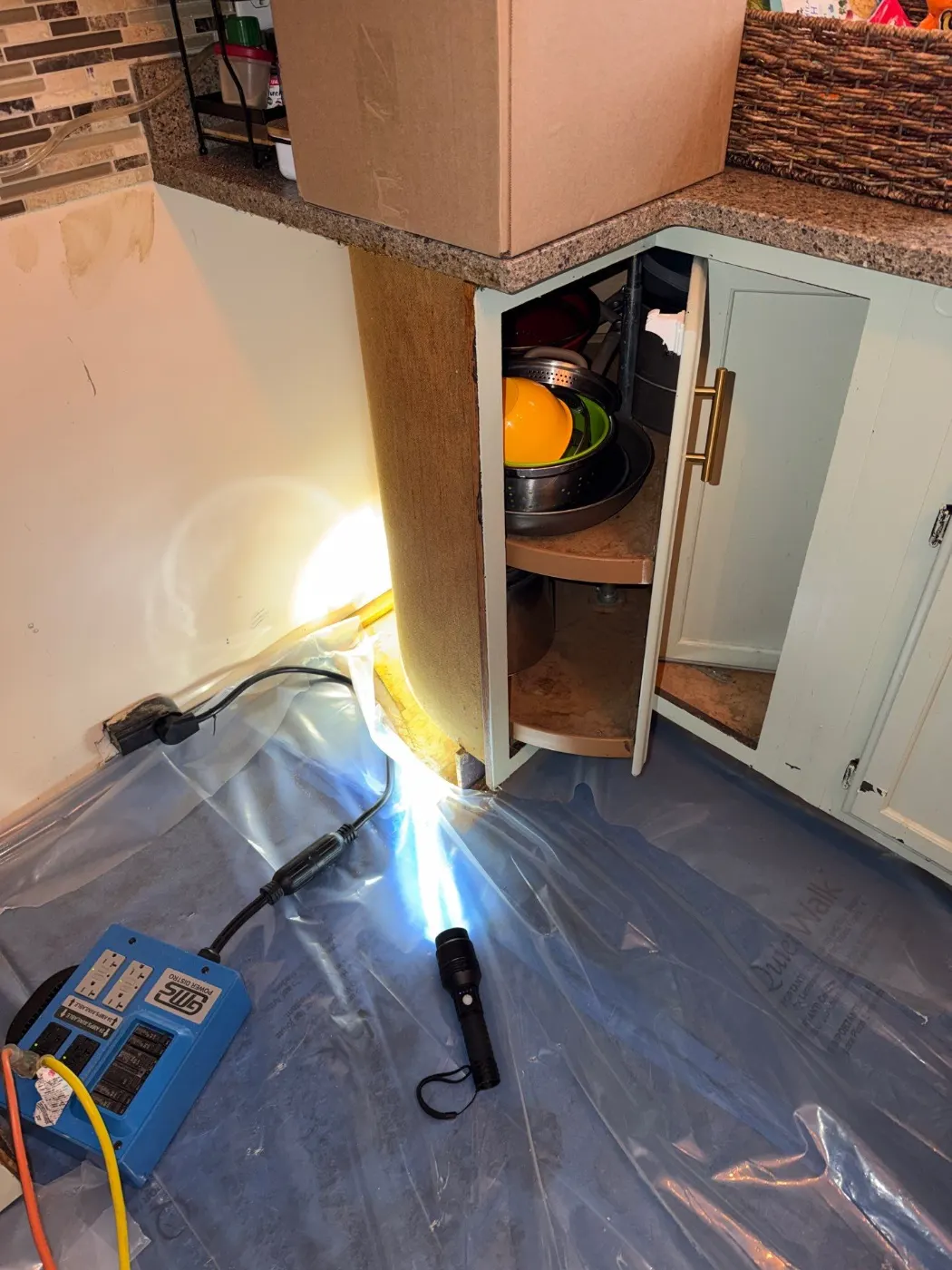
Photographs from real basement flooding jobs completed by our crew in Trader's Point and surrounding areas.
Basement Flooding FAQ
Questions Trader's Point homeowners ask us about basement flooding cleanup.
Guidance and Standards for Basement Flooding
- EPA advises drying water damaged areas and items within 24 to 48 hours to prevent mold growth. EPA: A Brief Guide to Mold, Moisture and Your Home
- Ready.gov notes that homeowners insurance policies don’t cover flooding, so check what your own policy says. Ready.gov: Floods
Trader's Point Neighborhoods We Serve
We take basement flooding calls in every part of Trader's Point. Pick your neighborhood for local details.
Other Restoration Services in Trader's Point
Trader's Point Water Restoration handles the full scope of restoration work. Explore our other services below.
Water Damage Restoration in Trader's Point
24/7 emergency response. IICRC certified water restoration from extraction to full dry out.
Learn more →Sewage Cleanup in Trader's Point
Category 3 biohazard cleanup. Full containment, decontamination, structural restoration.
Learn more →Storm Damage in Trader's Point
Storm related water emergencies. Tarping, extraction, drying, and full restoration.
Learn more →Request Basement Flooding Cleanup
Reach Us Directly
Our team is available 24/7 for emergencies and ready to schedule inspections during business hours.
Need Immediate Help?
For active water or mold emergencies, call us directly. We are available 24/7.