Commercial Sewage Cleanup in Trader's Point, IN
Restroom blocks, kitchen floor drains and lift stations get commercial sewage cleanup across Trader's Point and Marion County.
Need Commercial Sewage Cleanup in Trader's Point? Trader's Point Water Restoration answers 24/7 with certified crews, fast on-site response, and documentation built for your insurance claim. Call (317) 342-7736 now.
- Service: Commercial Sewage Cleanup for Trader's Point homeowners
- Service area: Trader's Point, IN and surrounding areas
- Response time: Rapid emergency dispatch for Trader's Point inquiries; crews available 24/7
- Licensed and insured (License #RC21100059)
- Serving Trader's Point, IN since 2018
Commercial Sewage Cleanup for Trader's Point Businesses
Second backups in the same building usually point to something a cleanup can't fix by itself. Trader's Point Water Restoration handles the contamination in Trader's Point, and the file records what failed, so your plumber and your property team can weigh a backwater valve and a regular line maintenance schedule before the next heavy storm or the next busy weekend.
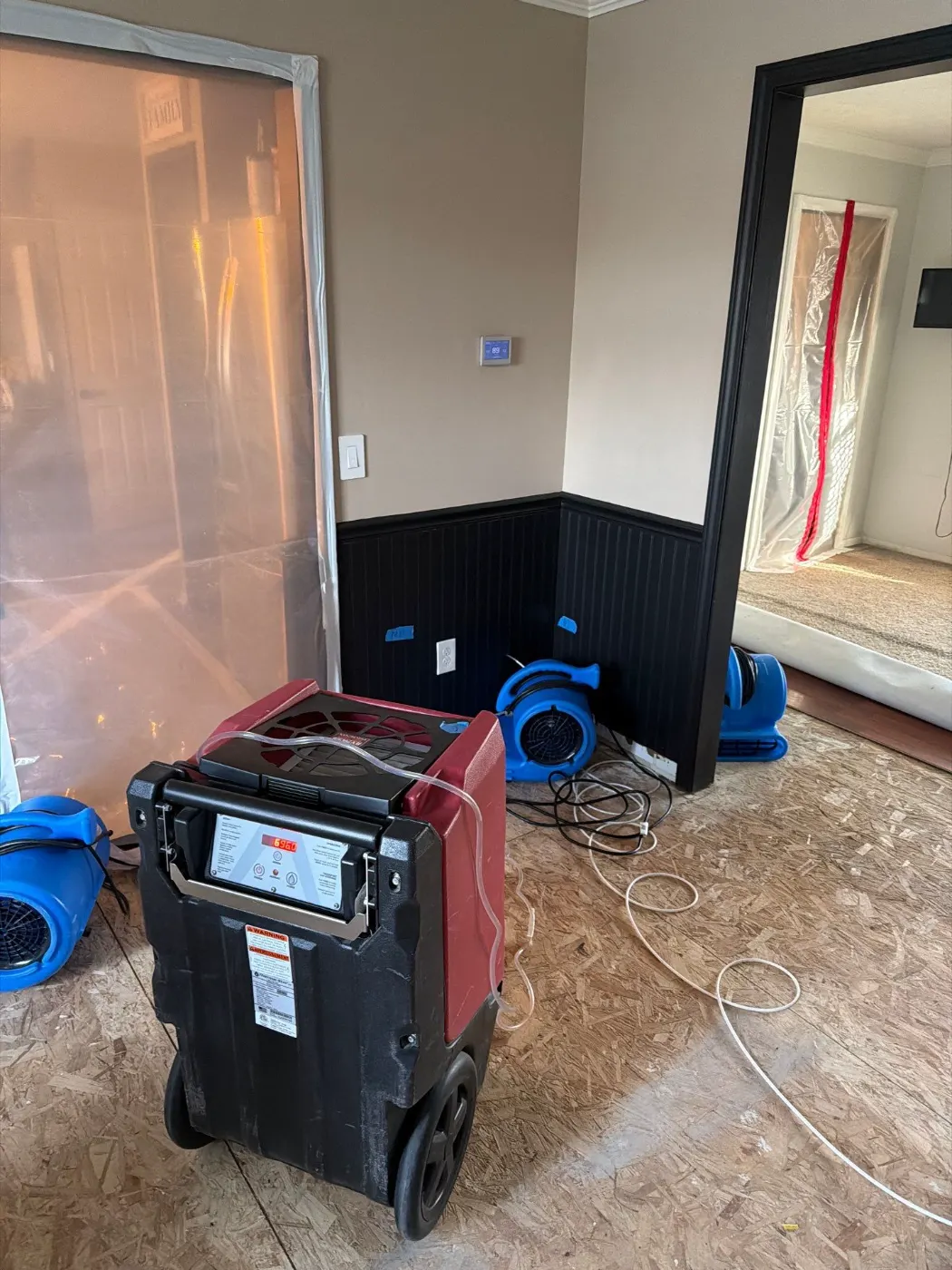
The rest of your Trader's Point building keeps running while Trader's Point Water Restoration works the contaminated area. The crew builds containment with zipper entries, holds the zone under negative pressure with HEPA scrubbers and seals the supply and return openings inside it. Staff and tenants walk past the barrier, and the contaminated air stays behind it until the work is done.
Extraction on a sewage loss uses pumps rated for solids, which a standard carpet extractor isn't. Trader's Point Water Restoration crews pull the standing waste first, then take out saturated porous material in bagged loads through a controlled exit. Hard floors get scraped and squeegeed before cleaning. Only once the gross contamination is gone and the surfaces are cleanable does drying equipment go into the space.
Carriers ask for documentation in different formats. Some want a specific estimating platform, some want photographs organized by room, and some send a reviewer out. Trader's Point Water Restoration adapts the file to what your carrier asks for, and the team keeps you copied. Your carrier decides the claim, and the crew's part is a complete, accurate record of the work.
Closing a space or working around the damage is a decision that belongs to you, and Trader's Point Water Restoration can lay out what each choice looks like in your Trader's Point building. Containment and scheduling both change depending on which way you go. Call and describe how the space is used, and we'll talk through the options.
Signs You Need Commercial Sewage Cleanup
If you notice any of these in your Trader's Point building, schedule a free inspection before the issue worsens.
Odor that gets stronger the closer you walk to the lowest floor drain
Floor drains gurgling whenever a mop sink, a dishwasher, or a restroom fixture runs upstairs
Several tenants on a shared line reporting slow drains on the same morning
Paint blistering at the base of a wall beside a restroom, along with odor
Dish machine discharge overflowing the floor sink beside it at the end of each cycle
Sewer odor greeting tenants in a ground floor suite after a weekend closure
Standing water in a elevator pit with an odor the building staff can smell
Standing water collecting at the base of a walk in cooler or under its condensate line
Dark staining or a residue ring spreading outward from a floor drain grate
Sewer odor coming through HVAC supply registers in a space that has no plumbing in it
How Trader's Point Water Restoration Handles Commercial Sewage Cleanup
We follow these steps in order on every Trader's Point job.
Dispatch and Assessment
A crew dispatches to the property within 2 hours. The lead walks the affected area with building staff, identifies the source and photographs the condition before anything gets touched or moved.
Sewage Extraction
Pumps rated for solids remove standing waste before any drying equipment goes in. Hard floors get scraped and squeegeed. Saturated carpet and pad come up in bagged loads carried out through a route that avoids occupied space.
Daily Monitoring
A technician returns every 24 hours through the drying phase, logs readings at fixed locations, repositions equipment as the wet zones shift, and photographs any change in scope. The property manager gets an update on progress and what is left.
Clearance Verification
Final moisture readings on every previously wet material get compared against unaffected reference readings in the same structure, the cleaned surfaces get inspected, and the condition is photographed. Equipment comes out after the verification is recorded in the file.
Documentation Handoff
The finished file goes to the property manager in one package: photographs, moisture logs, antimicrobial product details, disposal records and the clearance readings. A copy stays with the building owner for the permanent record.
Commercial Sewage Cleanup in Trader's Point
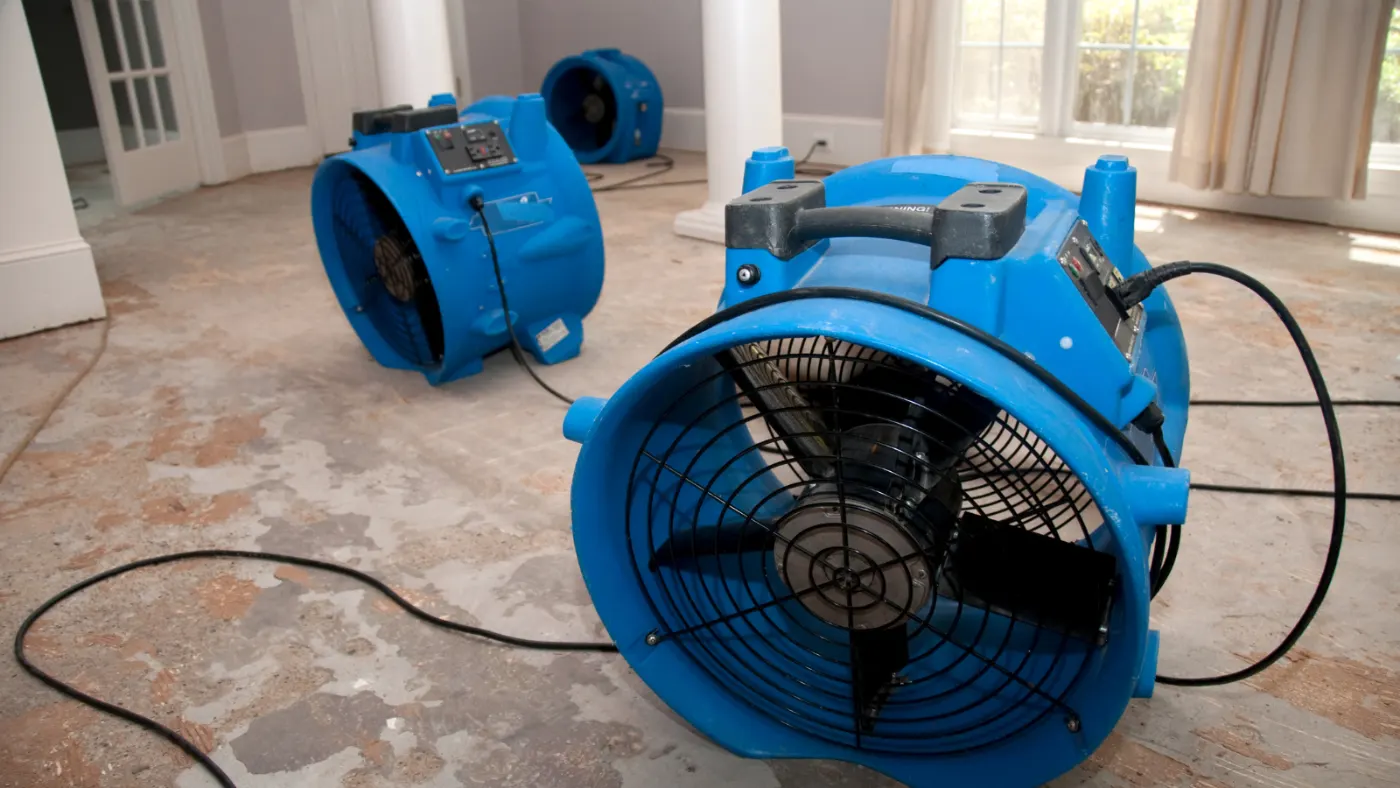
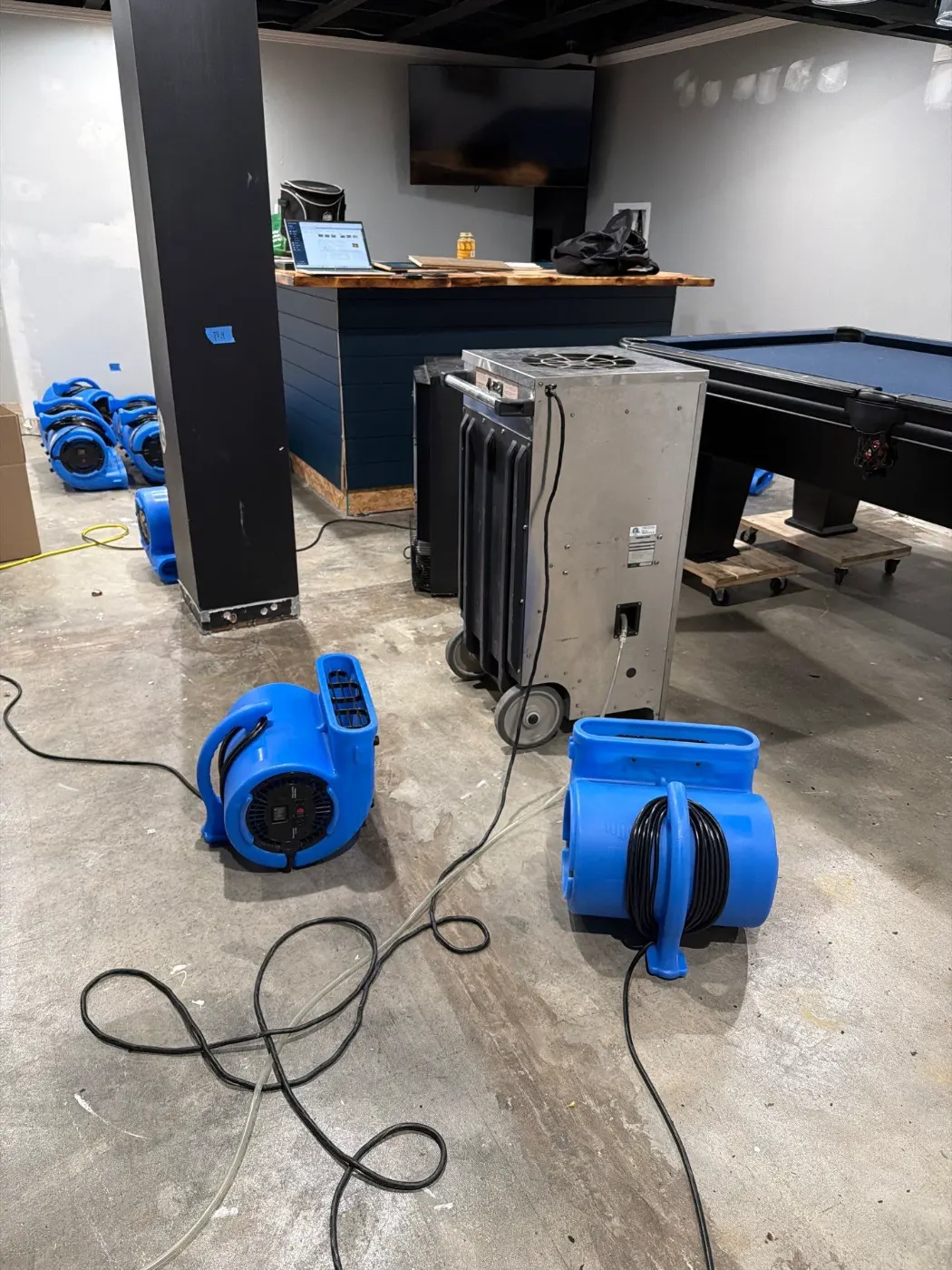
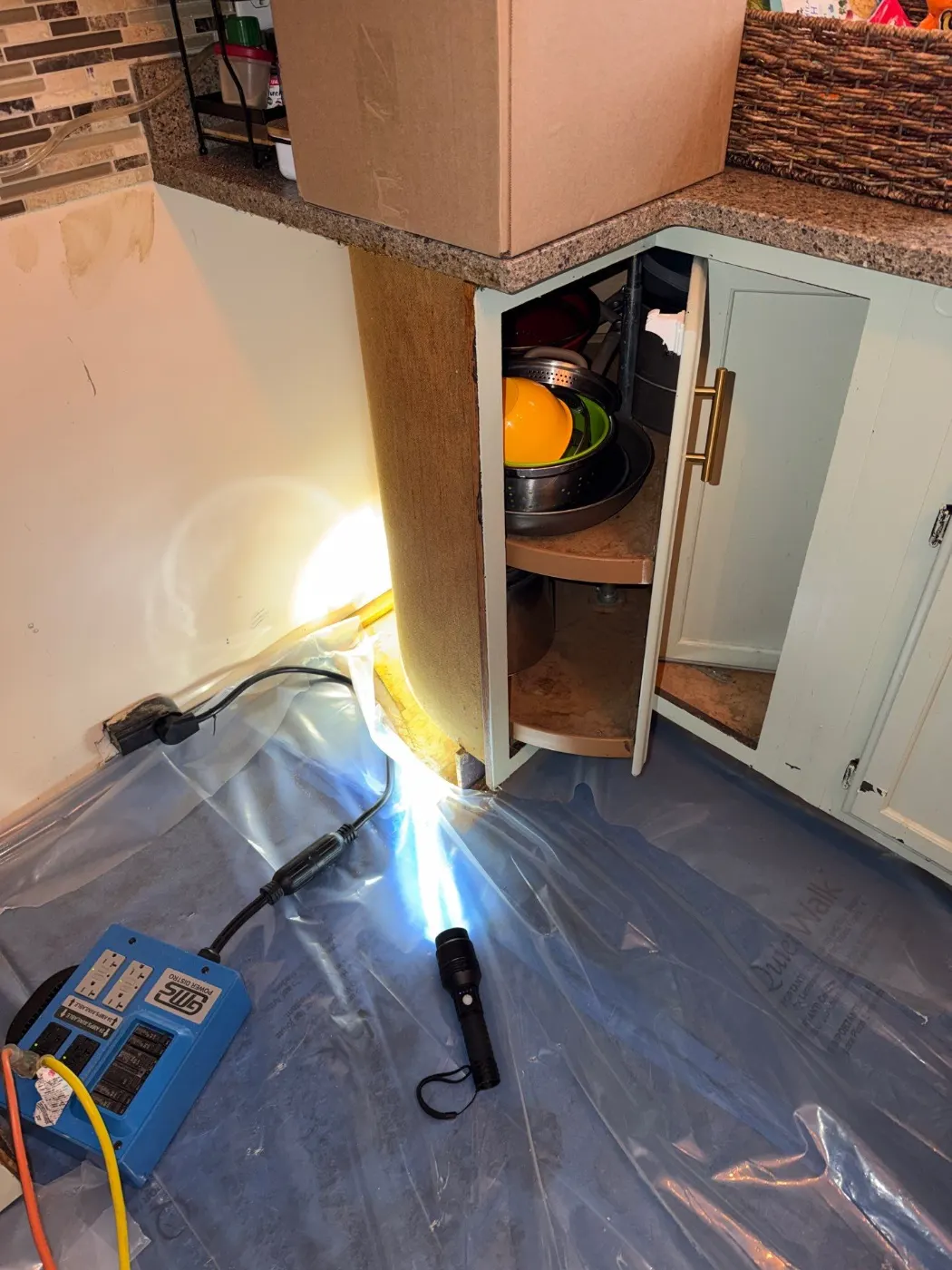
Photographs from real commercial sewage cleanup jobs completed by our crew in Trader's Point and surrounding areas.
Commercial Sewage Cleanup FAQ
Questions Trader's Point property managers ask us about commercial sewage cleanup.
Guidance and Standards for Commercial Sewage Cleanup
- The ANSI/IICRC S500 is the published standard for professional water damage restoration. The current edition is the Fifth Edition, 2021. IICRC S500 Standard
Trader's Point Neighborhoods We Serve
We take commercial sewage cleanup calls in every part of Trader's Point. Pick your neighborhood for local details.
Other Restoration Services in Trader's Point
Trader's Point Water Restoration handles the full scope of restoration work. Explore our other services below.
Water Damage Restoration in Trader's Point
24/7 emergency response. IICRC certified water restoration from extraction to full dry out.
Learn more →Basement Flooding in Trader's Point
Basement water emergencies handled fast. Extraction, drying, mold prevention.
Learn more →Sewage Cleanup in Trader's Point
Category 3 biohazard cleanup. Full containment, decontamination, structural restoration.
Learn more →Request Commercial Sewage Cleanup
Reach Us Directly
Our team is available 24/7 for emergencies and ready to schedule inspections during business hours.
Need Immediate Help?
For active water or mold emergencies, call us directly. We are available 24/7.