Commercial Mold Remediation in Trader's Point, IN
Commercial mold remediation in Trader's Point that keeps your building operating. Sealed containment, negative pressure, documented scope.
Trader's Point Water Restoration handles Commercial Mold Remediation for Trader's Point homes the methodical way: scheduled inspection, moisture readings, written scope, then the work. Insurance coordination included on approved claims. Call (317) 342-7736 to book.
- Service: Commercial Mold Remediation for Trader's Point homeowners
- Service area: Trader's Point, IN and surrounding areas
- Response time: Next available appointment, usually within a business day
- Licensed and insured (License #RC21100059)
- Serving Trader's Point, IN since 2018
Commercial Mold Removal in Trader's Point
We'll find the moisture behind mold growth in commercial buildings across Trader's Point and remove the growth inside containment.
Moisture Sources Here
Buildings near Eagle Creek can take on floodwater, and anything left wet afterward can grow mold. We'll go over the air handling and any past leaks on the first walkthrough with whoever runs the building.
We take commercial mold jobs anywhere in Trader's Point, including the streets around the Traders Point Shopping Center. We also handle commercial mold work in Zionsville, College Park, Snacks/Guion Creek and Crooked Creek.
Commercial Mold Remediation for Trader's Point Businesses
Dock leveler pits collect water every time it rains, and the office wall beside one has been absorbing that moisture for months. Warehouse offices and break rooms built against loading docks can hide growth for a long time. Trader's Point Water Restoration surveys light industrial buildings in Trader's Point and scopes both the wall and the drainage that feeds it.
You approve the scope before anything gets opened. The Trader's Point Water Restoration team walks the owner or property manager through the moisture findings, the containment boundary, the assemblies coming out and the source correction needed for the work to hold. If the crew finds more growth than the survey predicted in your Trader's Point building, you get a revised scope before work continues.
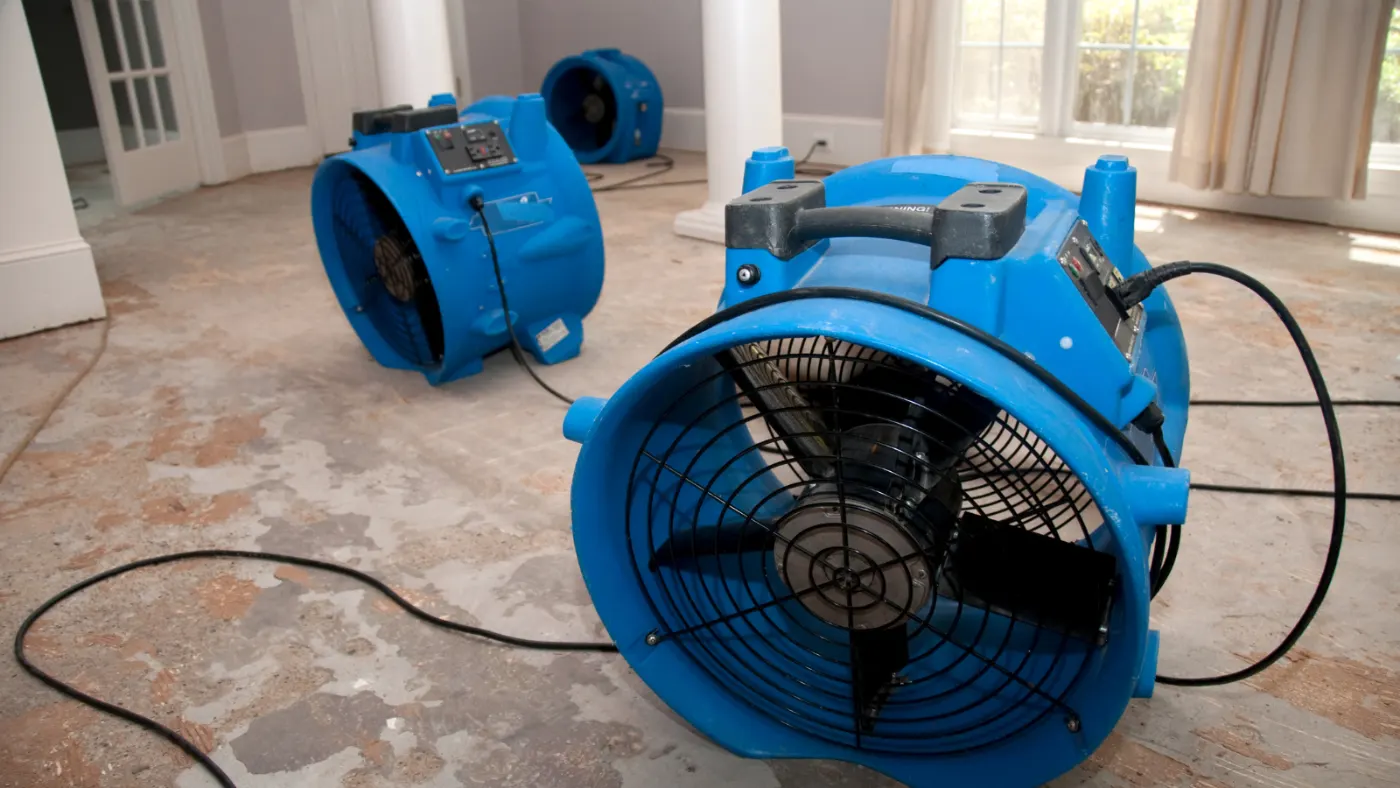
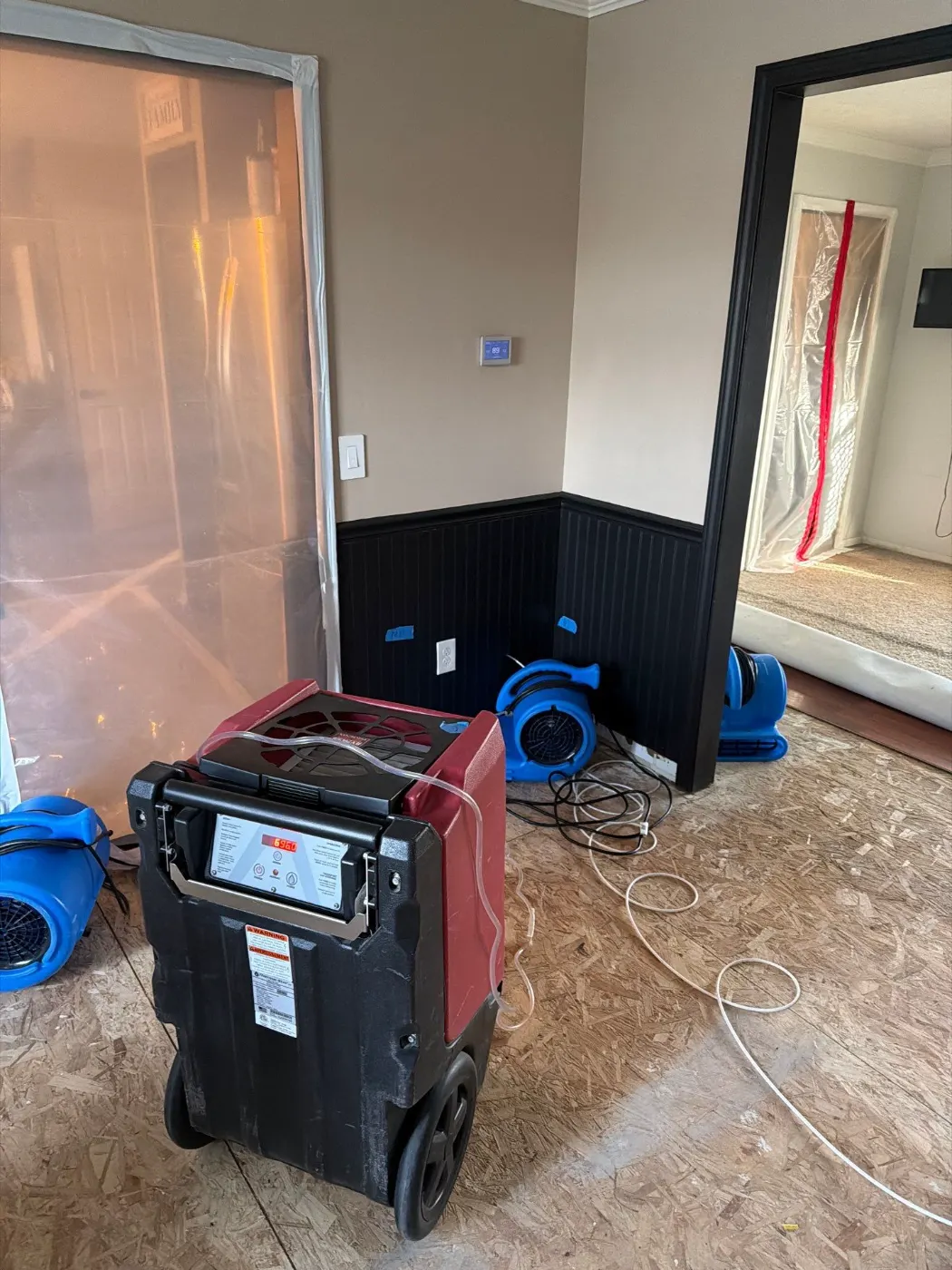
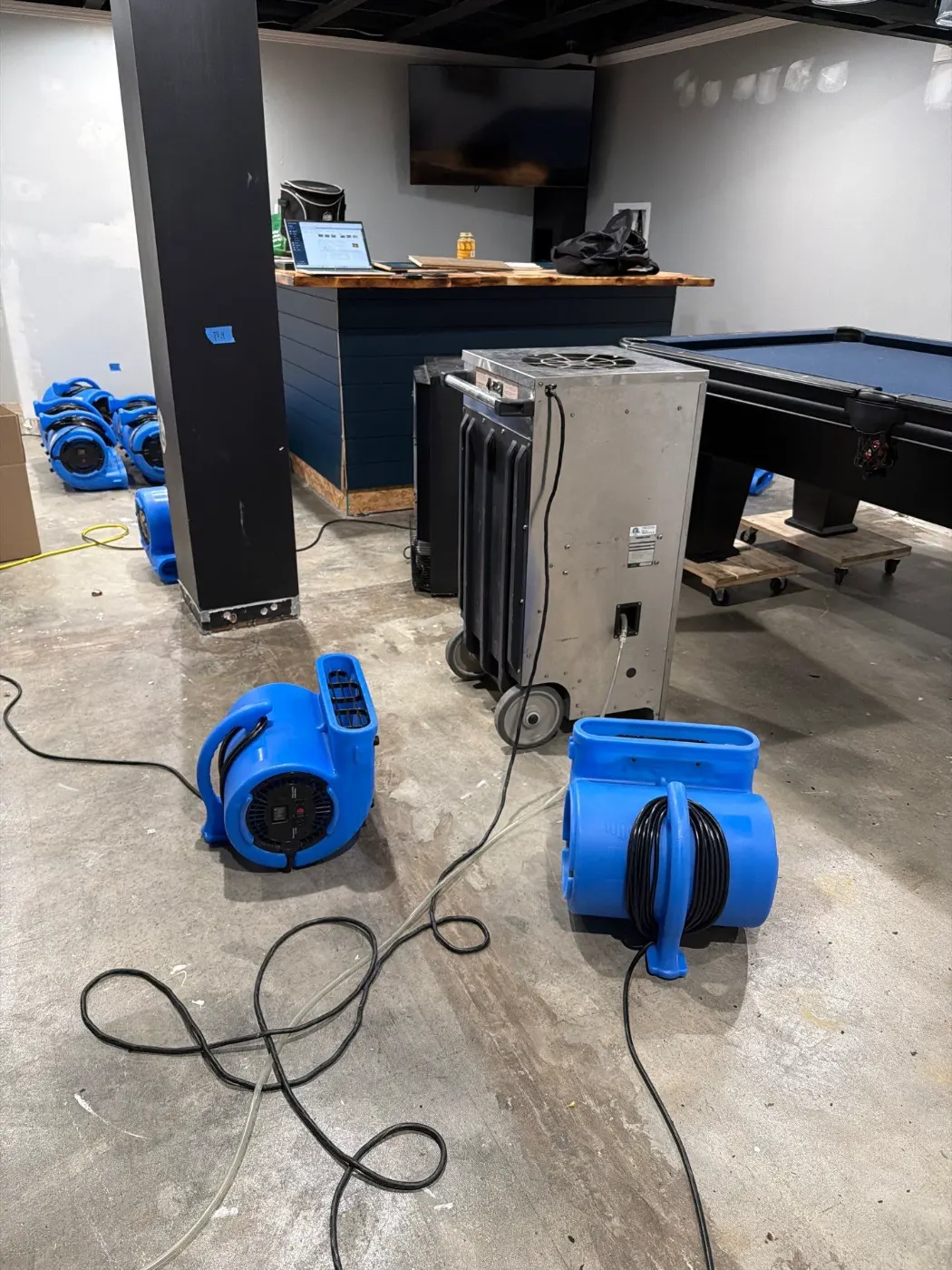
After affected material is out, the structure gets dried before anything goes back. Crews set dehumidifiers and air movers inside the containment, log moisture content in the remaining framing and substrate daily, and keep the equipment in place until the readings match unaffected areas of the same building. Closing a wall over damp framing is how a second remediation gets scheduled, so Trader's Point Water Restoration holds the rebuild until the numbers say it's dry.
Third party testing costs are part of the claim file too. When an industrial hygienist writes the protocol or performs post remediation verification, those invoices and reports go into the documentation Trader's Point Water Restoration keeps alongside the remediation records. Carriers tend to give more weight to a clearance decision made by somebody with no financial interest in the removal scope, which is one reason that separation is worth keeping even when nobody has required it.
If the growth is above the ceiling grid, somebody has to get up there under containment before anything else happens. Call Trader's Point Water Restoration to schedule the work in Trader's Point, IN. Crews open the plenum without pushing particulate into the occupied space below, and the findings come back with readings attached.
Signs You Need Commercial Mold Remediation
If you notice any of these in your Trader's Point building, schedule a free inspection before the issue worsens.
A written tenant complaint that names a stain or an odor in a specific room
Interior paint blistering or peeling on a wall that backs onto a restroom or janitor closet
Snowmelt that pools at an entry threshold and keeps the wall base damp every winter
A stain running down an interior column or chase wall where a roof leader passes through
Ceiling tiles bowing in the middle of the span after a week of heavy rain
Ceiling tiles with staining on the back side that only shows when you lift one out of the grid
Lower level carpet or drywall that stayed wet for days after storm water came in at a door
Loading dock leveler pits that collect water beside an office or break room wall
Condensation forming on the interior face of exterior walls during a cold stretch
Door frames and wood casing that have swollen and stained near an exterior entry
How Trader's Point Water Restoration Handles Commercial Mold Remediation
We follow these steps in order on every Trader's Point job.
Phasing for Occupied Floors
Where part of the floor has to stay open, the work area is divided into zones that move in sequence. Each zone gets its own containment and readings before the barrier shifts to the next section.
Removal Sign-Off Inspection
After removal and before cleaning, the crew lead walks every opened cavity and checks the cut lines against the survey. Photographs and readings document the condition of each cavity at sign off.
HEPA Cleaning and Detailing
Every surface inside the enclosure gets HEPA vacuumed and wiped, including framing cavities, structural steel, concrete and the floor. Nonporous materials that stayed in place get cleaned and kept. Air scrubbers keep running through this phase and after it.
Independent Verification
Where a building owner, carrier or tenant agreement calls for it, an outside industrial hygienist performs post remediation verification with a visual inspection and whatever sampling their protocol specifies. Containment and equipment stay in place until that party signs off on the results.
Final Walkthrough and Records
Building management and the team walk the finished space together, and the project file is handed over. That file holds the scope, the daily logs, the disposal records and any verification reports.
Commercial Mold Remediation in Trader's Point
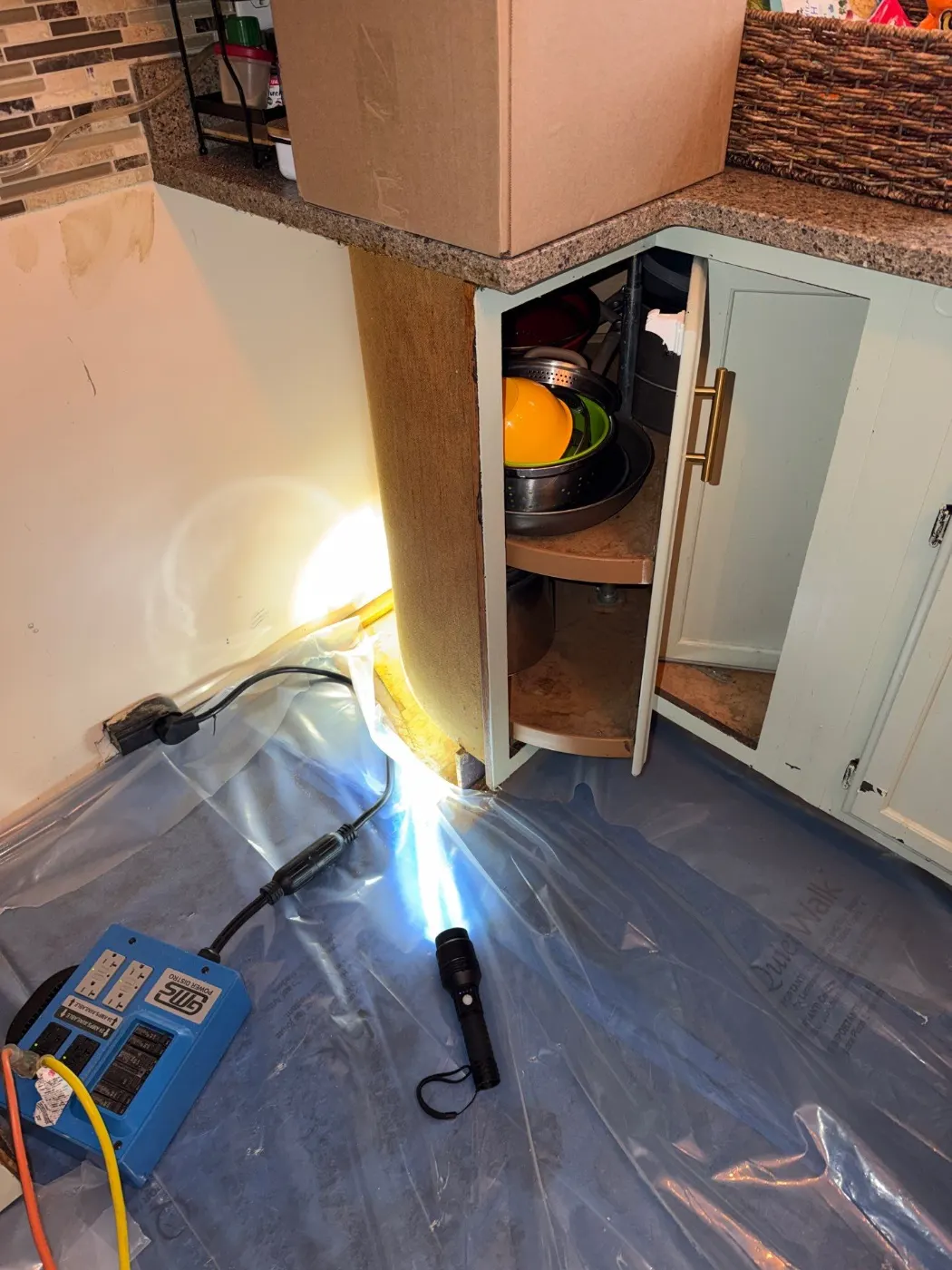
Photographs from real commercial mold remediation jobs completed by our crew in Trader's Point and surrounding areas.
Commercial Mold Remediation FAQ
Questions Trader's Point property managers ask us about commercial mold remediation.
Guidance and Standards for Commercial Mold Remediation
- The ANSI/IICRC S520 is the published standard for professional mold remediation. The current edition is the Fourth Edition, 2024. IICRC S520 Standard
- EPA’s mold guide says the key to mold control is moisture control. EPA: A Brief Guide to Mold, Moisture and Your Home
Trader's Point Neighborhoods We Serve
We take commercial mold remediation calls in every part of Trader's Point. Pick your neighborhood for local details.
Other Restoration Services in Trader's Point
Trader's Point Water Restoration handles the full scope of restoration work. Explore our other services below.
Water Damage Restoration in Trader's Point
24/7 emergency response. IICRC certified water restoration from extraction to full dry out.
Learn more →Basement Flooding in Trader's Point
Basement water emergencies handled fast. Extraction, drying, mold prevention.
Learn more →Sewage Cleanup in Trader's Point
Category 3 biohazard cleanup. Full containment, decontamination, structural restoration.
Learn more →Request Commercial Mold Remediation
Reach Us Directly
Our team is available 24/7 for emergencies and ready to schedule inspections during business hours.
Need Immediate Help?
For active water or mold emergencies, call us directly. We are available 24/7.