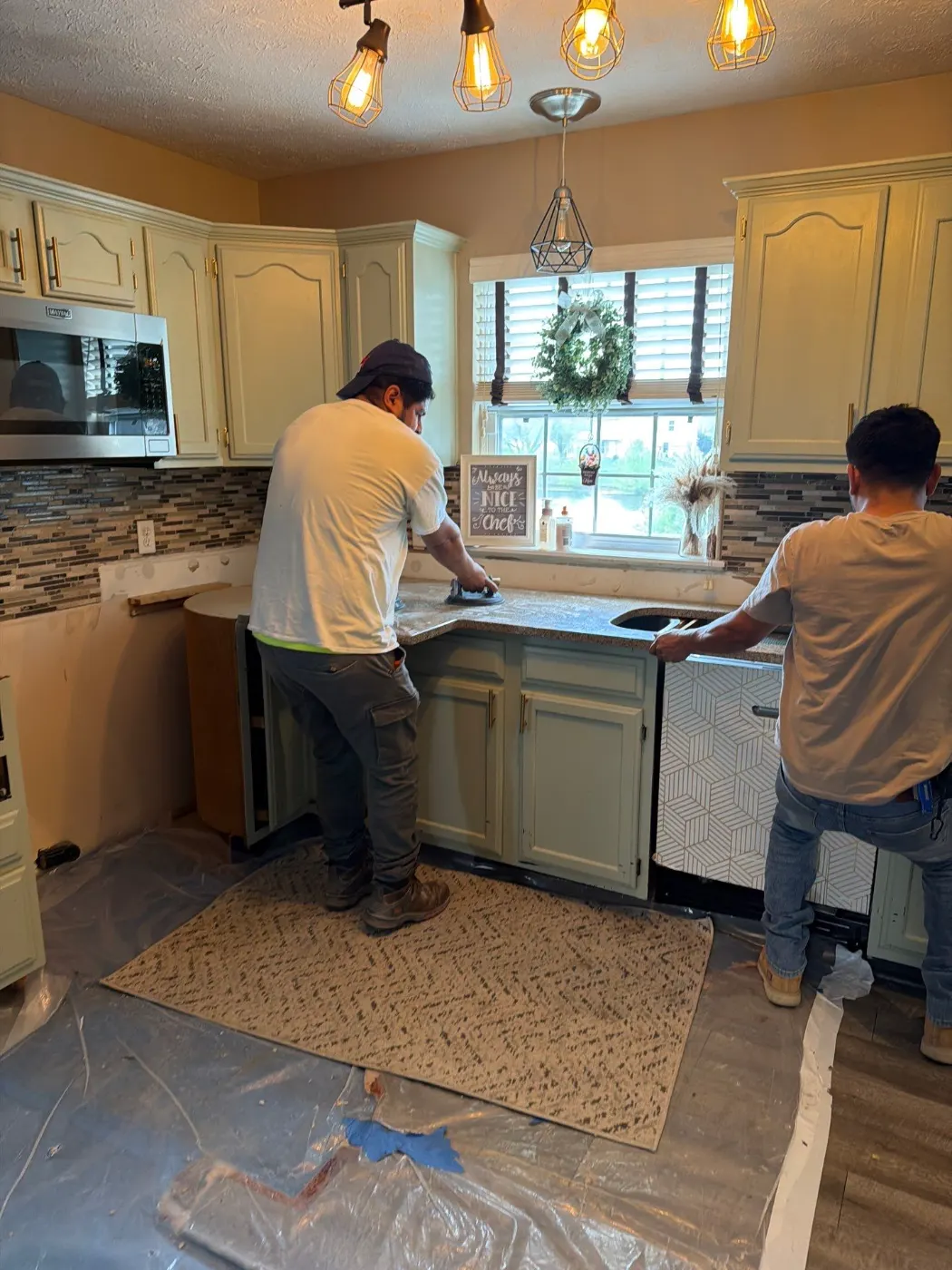
Storm Damage in Trader's Point, IN
Wet insulation out and the cavity dried before the ceiling goes back. Storm water restoration for Trader's Point homes
Trader's Point Water Restoration delivers Storm Damage across Trader's Point and surrounding areas with certified crews available 24/7 and every step documented for insurance. Call (317) 342-7736.
- Service: Storm Damage for Trader's Point homeowners
- Service area: Trader's Point, IN and surrounding areas
- Response time: Emergency calls from Trader's Point dispatched immediately, day or night
- Licensed and insured (License #RC21100059)
- Serving Trader's Point, IN since 2018
Storm Damage Cleanup in Trader's Point
We'll dry out your home in Trader's Point after storm water gets in through the roof or the basement.
Storms Here
Eagle Creek has a history of flooding. If your insurance company asks for a storm date, NWS Indianapolis keeps a list of past events.
Where Storm Water Ends Up
Homes near Eagle Creek can see rising water after heavy rain. With finished basements common here, a big storm can bring water in from below as well as through the roof. That makes it a basement flooding job too.
After a storm we can be anywhere in Trader's Point, from West 86th to the roads around Pike High School and Fishback Creek Public Academy. We also handle storm damage in Snacks/Guion Creek, Crooked Creek, Augusta/New Augusta and Eagle Creek.
Expert Storm Damage for Trader's Point Homeowners
After days of heavy rain, the ground around your Trader's Point home holds all it can, and the next downpour pushes water through the floor joint and the cracks in the foundation wall. A basement can take on water this way with every pipe and appliance intact. Trader's Point Water Restoration extracts the water and dries the structure on storm calls across Marion County, with readings that show how far it spread.
The surface of a hardwood floor can feel dry long before the subfloor beneath it does. Trader's Point Water Restoration reads the board and the subfloor, then tracks the floor for cupping and gaps as the days pass. In your Trader's Point home, those readings decide whether the floor dries in place or has to come up.
On a basement job the crew studies where the water is coming from before the pumps start. The sump basin gets cleared and checked, and the floor drains get watched for backup. When water is returning quickly, the source gets sorted out first, because a refilling basement can't be dried in your Trader's Point home.
Rain, insulation and drywall leave a lot to keep track of on a storm job, and Trader's Point Water Restoration keeps it in one file for your Trader's Point home. That file covers the entry point photos, the daily readings, why each material came out, the equipment log and the final readings. It's yours to keep, and you decide with your insurer what to do with it.
Storm damage calls in Trader's Point, IN get answered by Trader's Point Water Restoration any day of the week, holidays included. Bring us in while the water's still moving and the scope stays small. The moisture readings come to you in writing.
Signs You Need Storm Damage Restoration
If you notice any of these in your Trader's Point home, schedule a free inspection before the issue worsens.
Mud film on a basement floor once the water has drained away
Pooled water or wet insulation under the floor in a crawl space
Ceiling stains in a hallway or closet far from any bathroom
Moisture beading on outlet covers or switch plates along a wall that water ran down
Window sill corners holding water or finish peeling after a windy storm
Water stains running down a stairwell wall from the upper floor
Carpet near an exterior door that squishes underfoot after wind driven rain
Furnace or water heater base sitting in water after storm runoff
Puddles along an exterior wall or standing water in a basement window well after heavy rain
Attic insulation that looks matted, flattened or darker in patches
How Trader's Point Water Restoration Handles Storm Damage
We follow these steps in order on every Trader's Point job.
Wall Cavity Inspection
Baseboards and window trim come off where readings run high, and small inspection holes show whether the cavity behind them holds water. Windows and doors that took wind driven rain usually leave the wall base wet first.
Wet Insulation Removal
Soaked batts and matted blown in get bagged out of the attic and the ceiling cavity, with type, depth and square footage recorded for the rebuild and for the claim. Wet insulation holds water against the ceiling board and loses its insulating value while it's wet.
Cleaning Surfaces That Stay
Framing and hard surfaces that stay get cleaned and treated with an antimicrobial once the soaked material is out. Cleaning comes before the drying equipment goes in, so the air movers aren't pushing soil around the room.
Progress Review With You
Partway through the job the technician walks the rooms with you and compares today's readings to the first day's. You hear which rooms are dry and which are lagging, and changes to the plan get approved before they happen.
Final Walkthrough
Once the clearance readings are documented, the equipment comes out and the technician walks the rooms with you. The removed materials and the photo file get reviewed together so you know what repairs come next.
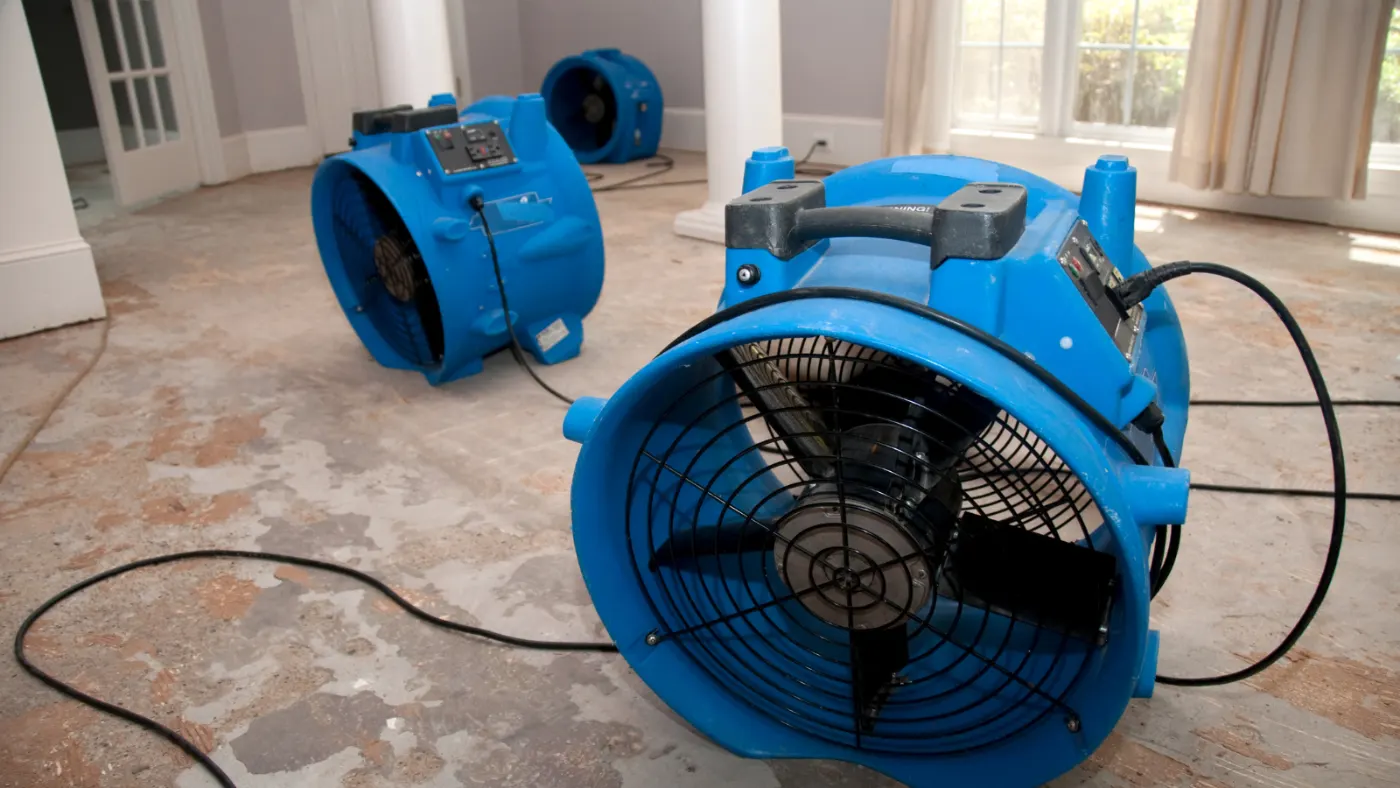
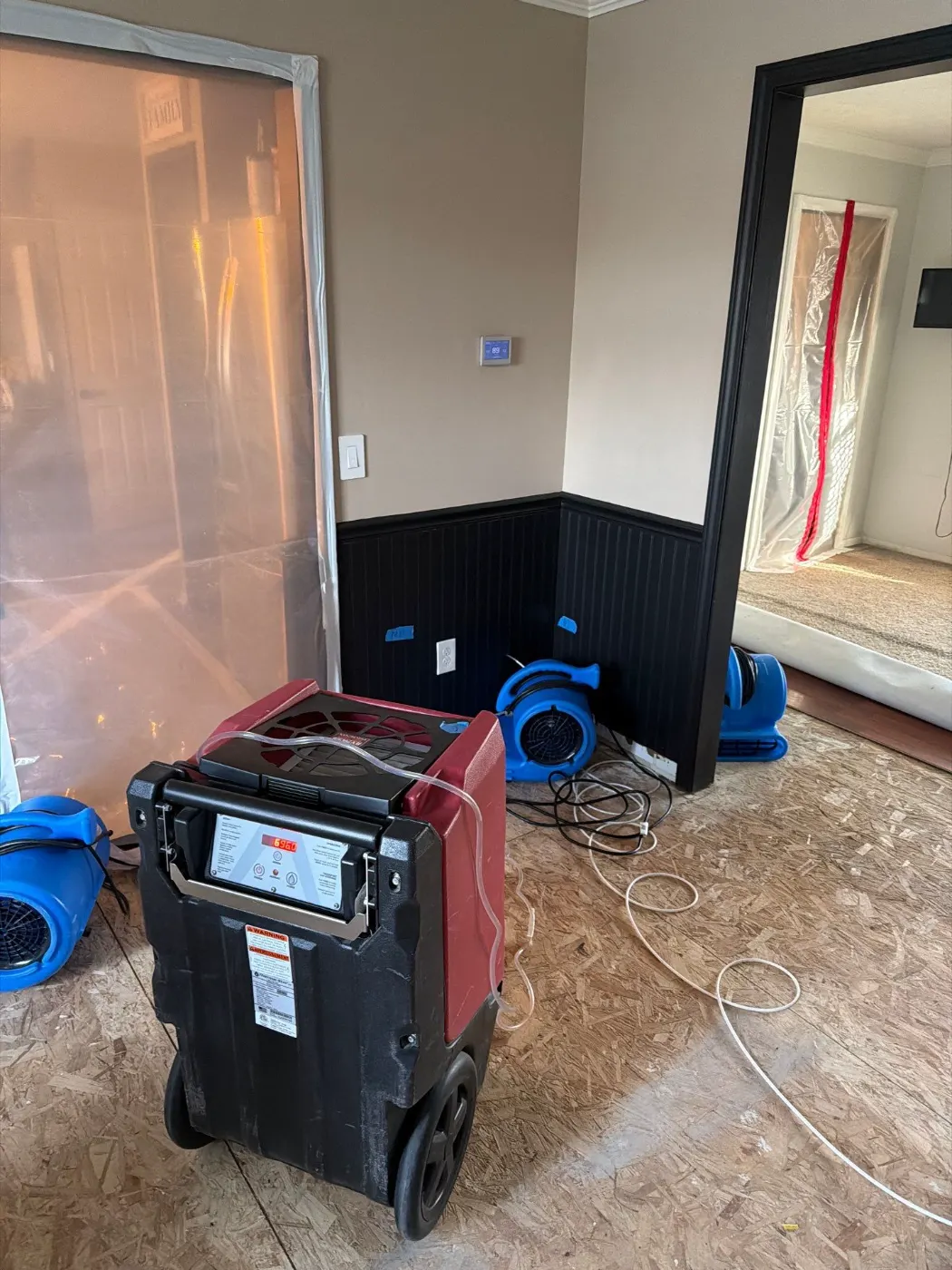
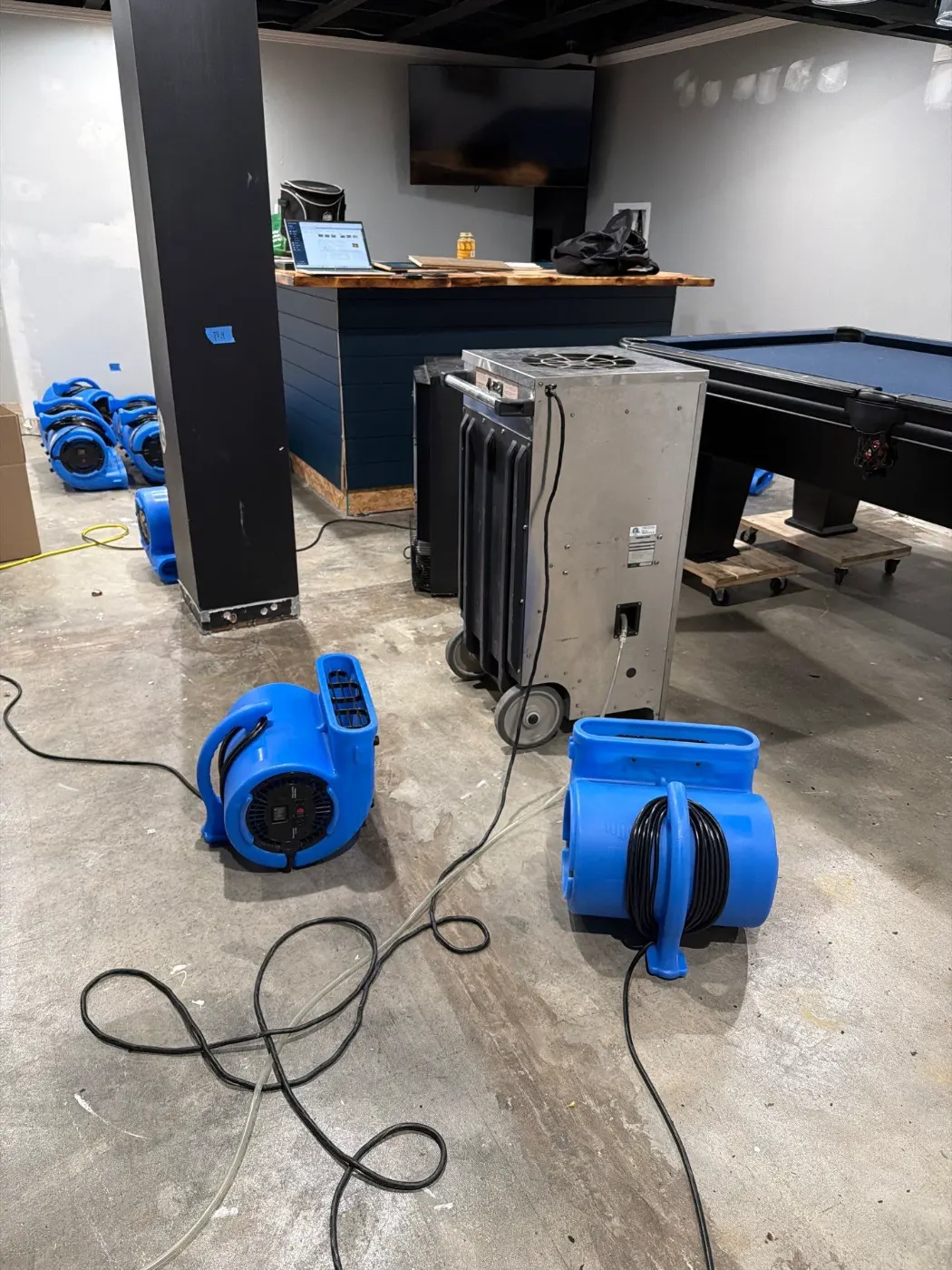
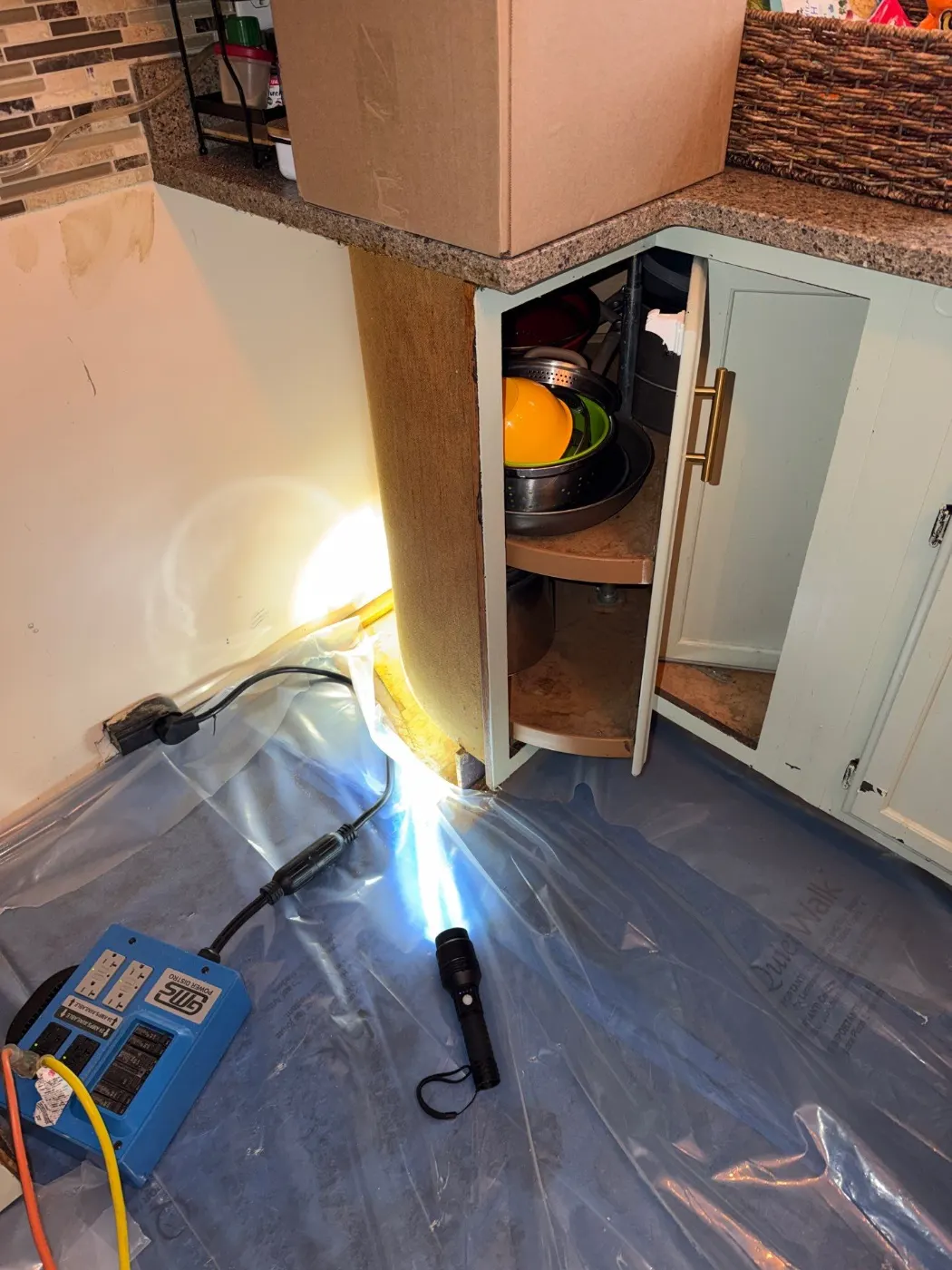
Storm Damage in Trader's Point
Photographs from real storm damage jobs completed by our crew in Trader's Point and surrounding areas.
Storm Damage FAQ
Questions Trader's Point homeowners ask us about storm damage restoration.
Guidance and Standards for Storm Damage
- The National Weather Service office in Indianapolis posts summaries of recent central Indiana storm and flood events. NWS Indianapolis Event Summaries
- The Indiana Department of Insurance advises against permanent repairs before your insurance company inspects the damage. Check your own policy for what it covers. Indiana Department of Insurance: Insurance Claim Tips
Trader's Point Neighborhoods We Serve
We take storm damage calls in every part of Trader's Point. Pick your neighborhood for local details.
Other Restoration Services in Trader's Point
Trader's Point Water Restoration handles the full scope of restoration work. Explore our other services below.
Water Damage Restoration in Trader's Point
24/7 emergency response. IICRC certified water restoration from extraction to full dry out.
Learn more →Basement Flooding in Trader's Point
Basement water emergencies handled fast. Extraction, drying, mold prevention.
Learn more →Sewage Cleanup in Trader's Point
Category 3 biohazard cleanup. Full containment, decontamination, structural restoration.
Learn more →Request Storm Damage Restoration
Reach Us Directly
Our team is available 24/7 for emergencies and ready to schedule inspections during business hours.
Need Immediate Help?
For active water or mold emergencies, call us directly. We are available 24/7.