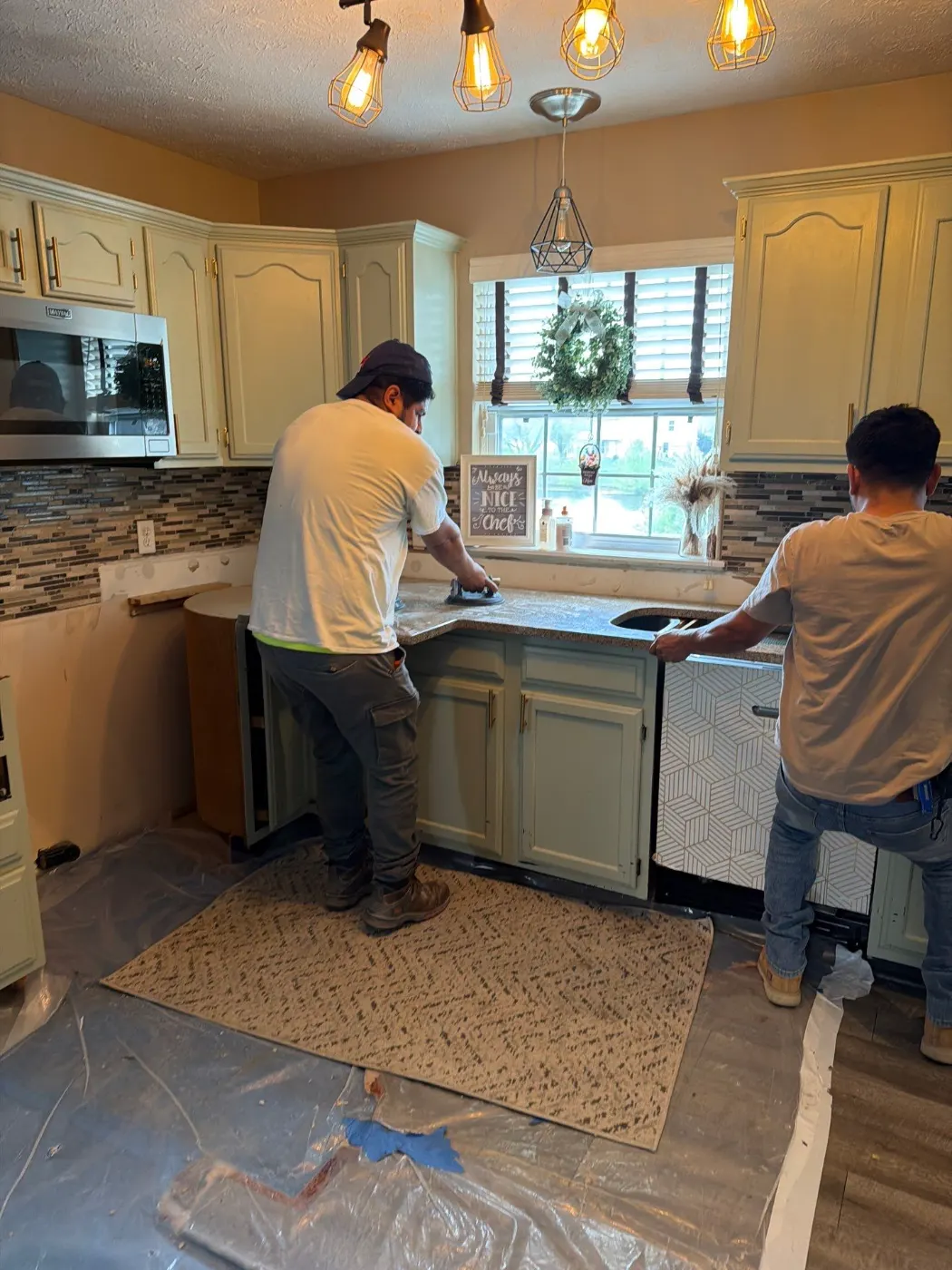
Commercial Storm Damage in Trader's Point, IN
Trader's Point Water Restoration works the water inside the walls and floors of Trader's Point buildings, one suite at a time.
Need Commercial Storm Damage in Trader's Point? Trader's Point Water Restoration answers 24/7 with certified crews, fast on-site response, and documentation built for your insurance claim. Call (317) 342-7736 now.
- Service: Commercial Storm Damage for Trader's Point homeowners
- Service area: Trader's Point, IN and surrounding areas
- Response time: Around the clock dispatch; Trader's Point emergencies move to the front of the line
- Licensed and insured (License #RC21100059)
- Serving Trader's Point, IN since 2018
Commercial Storm Damage Cleanup in Trader's Point
We'll secure and dry commercial buildings in Trader's Point after a storm opens the roof or floods a lower level.
Storms Here
Eagle Creek has a flood history that nearby sites should plan around. NWS Indianapolis posts summaries of past storms, which helps when your carrier asks for a date.
We respond to storm calls from businesses anywhere in Trader's Point, including those around the Traders Point Shopping Center. We also handle commercial storm damage in Snacks/Guion Creek, Crooked Creek, Augusta/New Augusta and Eagle Creek.
Commercial Storm Damage for Trader's Point Businesses
Ceiling tiles sag, then one lets go, and the water that was sitting in the plenum lands on a tenant's workstations. By then the batt insulation above the grid has been wet long enough to matter. Trader's Point Water Restoration takes commercial water intrusion calls in Trader's Point with a two hour dispatch, pulls the saturated tile and insulation, and gets air moving in the plenum before the gypsum above it starts to fail.
Water hides in a commercial assembly in a few predictable places, like batt insulation above the grid, metal stud cavities, a fluted deck and the space under a topping slab. Trader's Point Water Restoration crews carry the meters to check each one in your Trader's Point building and the inspection holes to reach them, and the readings decide what gets opened.
Mapping on Trader's Point Water Restoration jobs runs off a floor plan. Thermal imaging finds the temperature differences, penetrating and nonpenetrating meters confirm them, and every reading gets keyed to a room or a column line. That's what shows the water traveled four bays past the visible stain, and it's what keeps the scope off rooms that were already dry when the crew arrived.
Water that rose from outside, such as runoff reaching a loading dock, and water that backed up through a drain are often treated differently from rain that came through the building. Flood and drain backup coverage commonly sit outside the main commercial property form. Trader's Point Water Restoration records how the water entered your Trader's Point property, because that decides which coverage question applies.
Trader's Point Water Restoration can have a crew dispatched to your Trader's Point building within two hours of your call. Standing water comes out, the roof gets dried in, and the drying plan gets built around the tenants who still have to work in there. Ask the team for the per suite documentation format when you call.
Signs You Need Commercial Storm Damage Restoration
If you notice any of these in your Trader's Point building, schedule a free inspection before the issue worsens.
Grout between floor tiles darkening in a pattern that spreads a little more each day
Corrosion on a fire sprinkler line or head where the pipe runs close to the roof deck
Damp, darkened flooring in a band just inside the main entrance after a windy rain
Window sills or curtain wall mullions holding water on the inside face after wind driven rain
Loose or lifted metal coping on a parapet wall, with fasteners backed out of the wood blocking
Stains that start at the top floor and reappear on the same wall two floors down
Stored records or fixtures with wet edges or water stains along the bottom
Interior wall base swelling, delaminating, or pulling away from the gypsum behind it
Metal door frames rusting at the base, with the gypsum board around them swelling
Rust on the metal stud track at the bottom of a wall cavity once an opening is cut
How Trader's Point Water Restoration Handles Commercial Storm Damage
We follow these steps in order on every Trader's Point job.
Two Hour Dispatch
A crew dispatches to your Trader's Point commercial property within two hours of the call with extraction units, dry in materials, thermal imaging and moisture meters. Work starts on arrival while the team confirms building access, after hours contacts, and which spaces have to stay open.
Contents and Inventory Protection
Stock and equipment on wet floors get lifted onto blocking or moved to dry ground, with plastic over anything that has to stay. A photo list records what moved and where, which supports each tenant's own claim.
Slab and Dock Floor Checks
Concrete at a dock or in a warehouse holds water well after the surface dries, so the crew probes the slab at marked spots and keeps dehumidification and air movement running until the readings level off.
Daily Readings Logged
Each day brings temperature, relative humidity and material moisture readings logged against an unaffected baseline elsewhere in the building. Equipment moves based on what the numbers show. The property manager gets the readings and the photos the same day.
Equipment Out and Space Release
As each area reaches its dry goal, the equipment comes out of it and the space goes back to the tenant. The release date and final readings for every area go in the file.
Commercial Storm Damage in Trader's Point
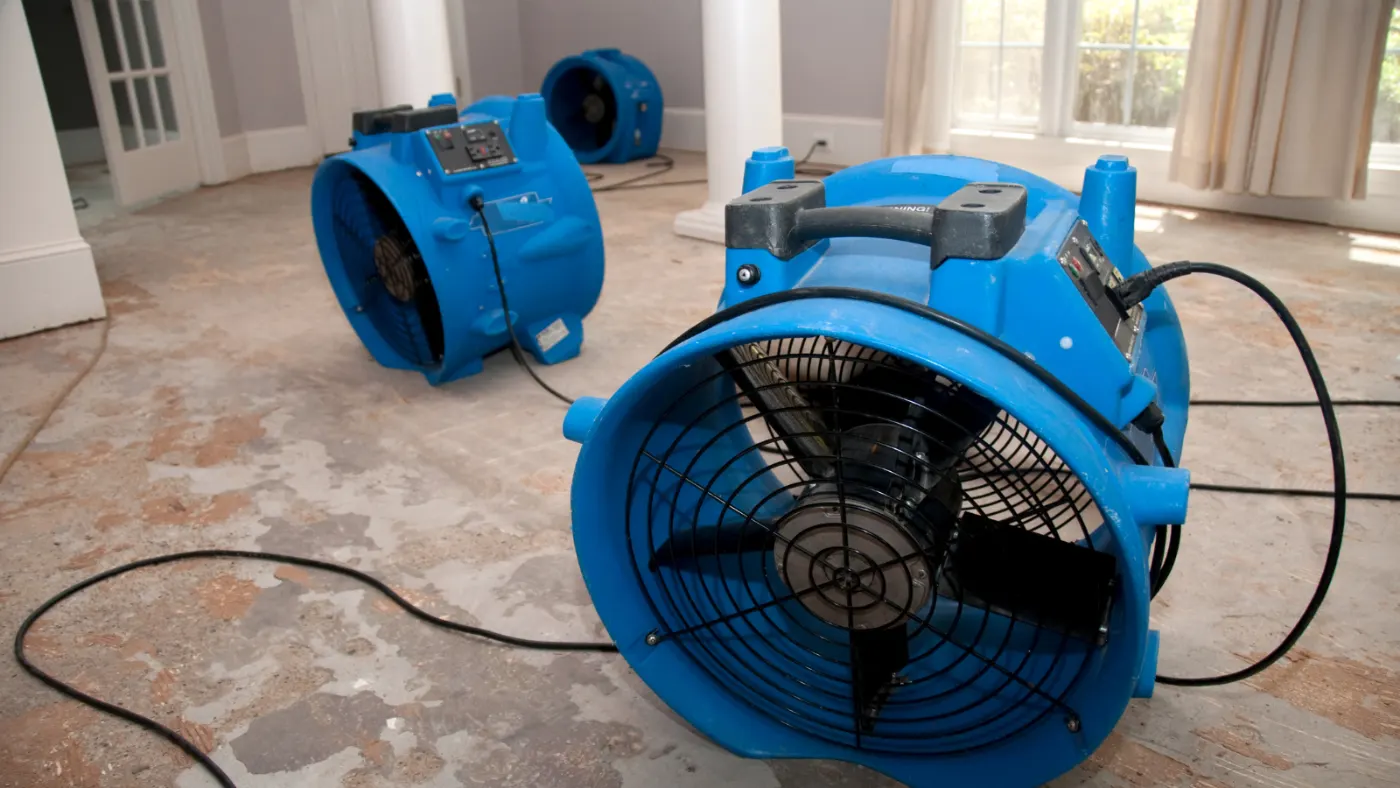
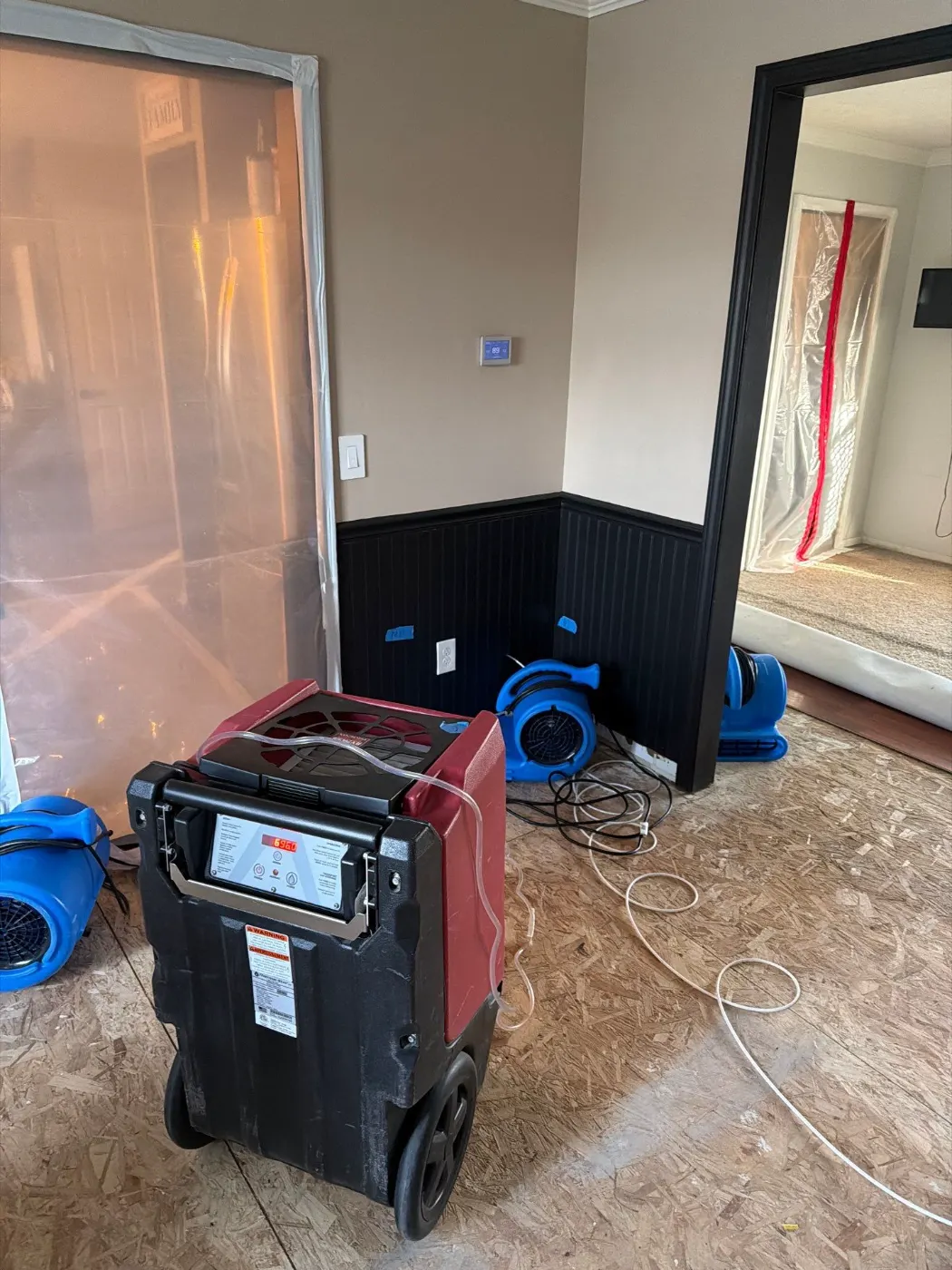
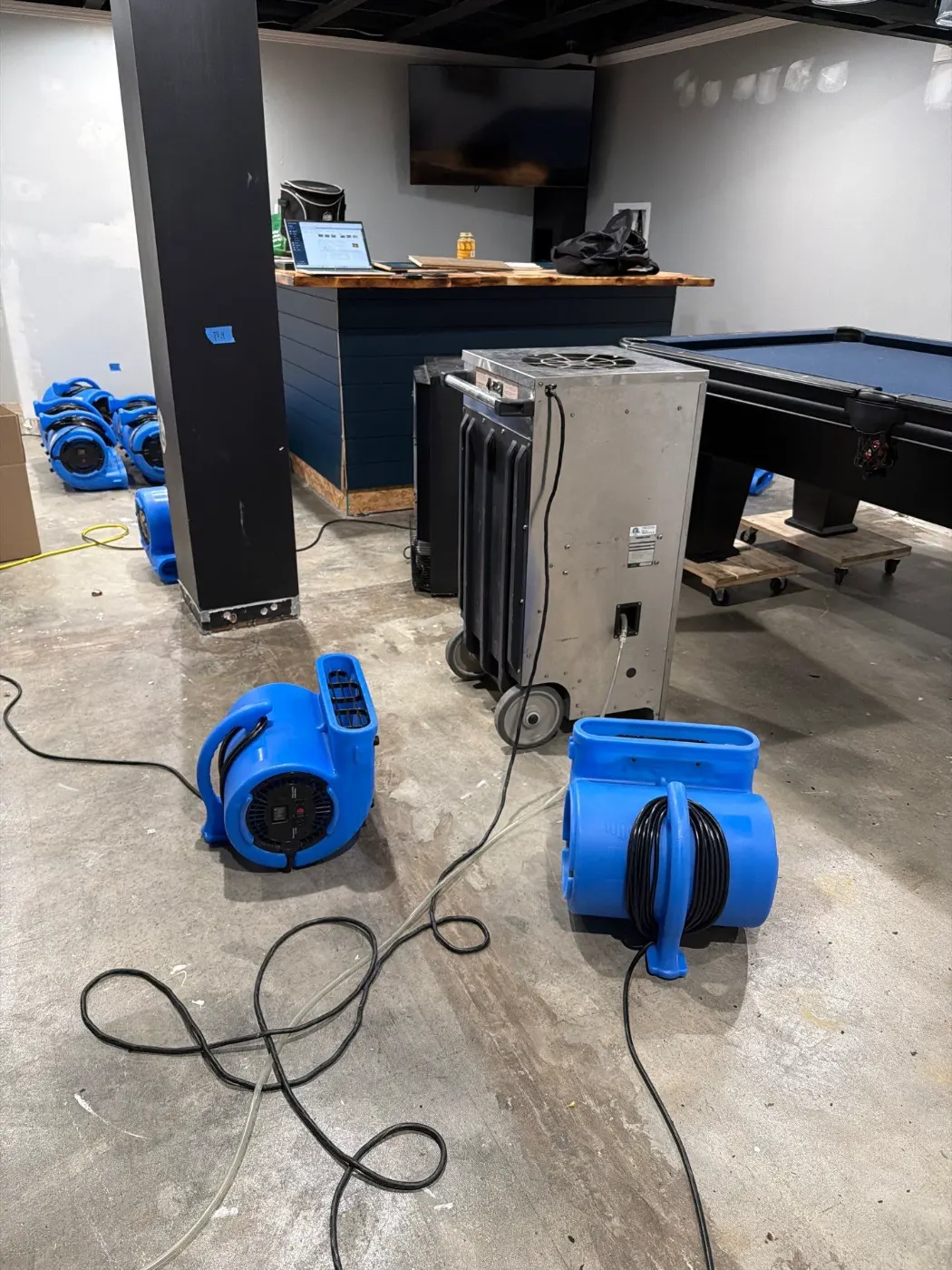
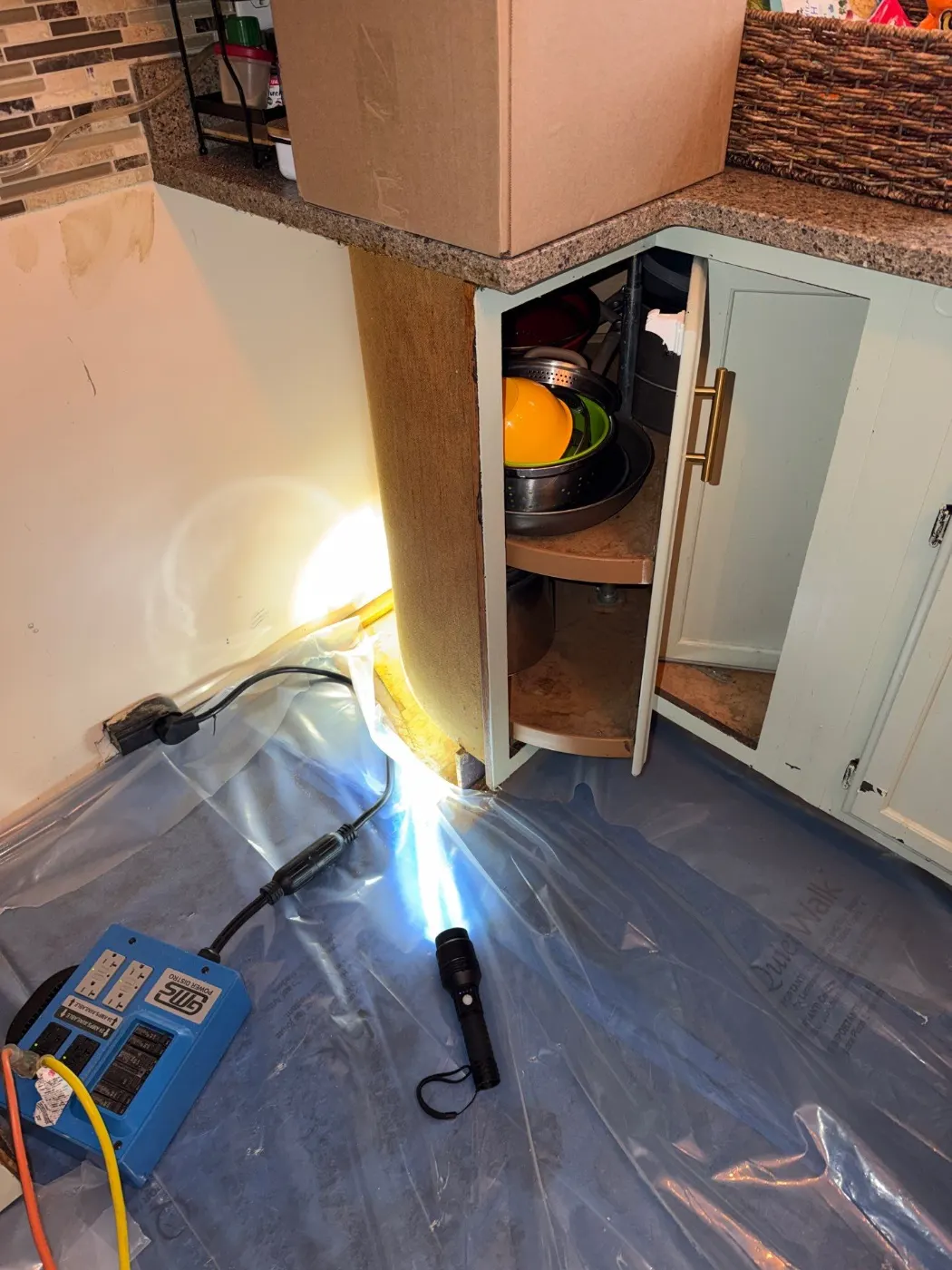
Photographs from real commercial storm damage jobs completed by our crew in Trader's Point and surrounding areas.
Commercial Storm Damage FAQ
Questions Trader's Point property managers ask us about commercial storm damage restoration.
Guidance and Standards for Commercial Storm Damage
- The National Weather Service office in Indianapolis posts summaries of recent central Indiana storm and flood events. NWS Indianapolis Event Summaries
- The ANSI/IICRC S500 is the published standard for professional water damage restoration. The current edition is the Fifth Edition, 2021. IICRC S500 Standard
Trader's Point Neighborhoods We Serve
We take commercial storm damage calls in every part of Trader's Point. Pick your neighborhood for local details.
Other Restoration Services in Trader's Point
Trader's Point Water Restoration handles the full scope of restoration work. Explore our other services below.
Water Damage Restoration in Trader's Point
24/7 emergency response. IICRC certified water restoration from extraction to full dry out.
Learn more →Basement Flooding in Trader's Point
Basement water emergencies handled fast. Extraction, drying, mold prevention.
Learn more →Sewage Cleanup in Trader's Point
Category 3 biohazard cleanup. Full containment, decontamination, structural restoration.
Learn more →Request Commercial Storm Damage Restoration
Reach Us Directly
Our team is available 24/7 for emergencies and ready to schedule inspections during business hours.
Need Immediate Help?
For active water or mold emergencies, call us directly. We are available 24/7.